Description
Eranthis stellata, commonly known as the star winter aconite, is a perennial herbaceous plant belonging to the Ranunculaceae family. It is a prized early-spring ephemeral, known for its ability to bloom shortly after snowmelt, which makes it a unique object for ornamental horticulture.
The native habitat of this species extends across East Asia, including the Russian Far East, Northeast China, and the Korean Peninsula. Naturally growing in temperate woodland environments, it thrives in rich, moist leaf litter, which provides a blueprint for successful cultivation in garden or greenhouse settings.
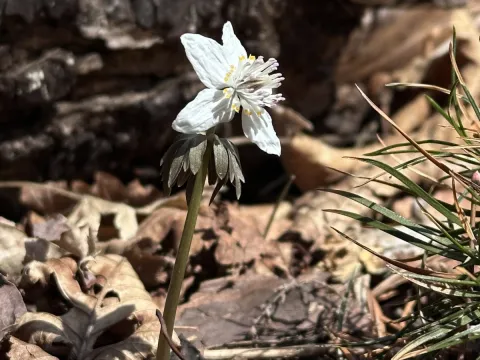
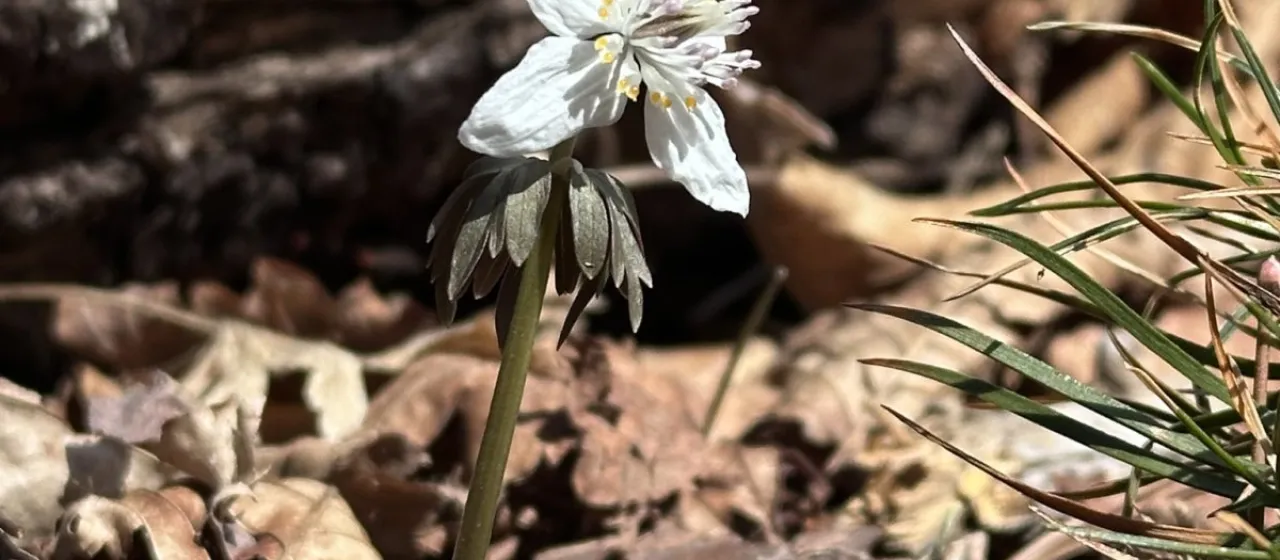
Botanically, Eranthis stellata is characterized by a small tuberous rootstock and a low-growing habit. The flowers are solitary, featuring star-shaped bracts and petals that open in response to early warmth. The foliage is delicate and finely divided, typically emerging at the same time as the flowers and disappearing as the plant enters dormancy in early summer.
Cultivation requirements include a location in partial or full shade, mimicking its forest origin. The soil must be nutrient-rich, humus-based, and possess excellent drainage to prevent tuber rot during the rainy spring season. While it is a hardy plant, it requires stable moisture levels during the brief growth phase to ensure the development of robust tubers for the following season.
This crop is primarily used in landscape design for woodland gardens, rockeries, and shady borders to provide early color before deciduous trees leaf out. Regarding plant health, growers should monitor for fungal diseases associated with poor drainage and protect tubers from rodents, which are the most common pests affecting this bulbous perennial in garden environments.
Photo gallery