Description
Eremobium aegyptiacum is an annual herbaceous plant belonging to the Brassicaceae family. It is a highly specialized species adapted to survival in the arid climates of North Africa and the Middle East, thriving in environments where water is the primary limiting factor for plant growth.
The native range of this plant includes the arid regions of Egypt, Libya, and the Arabian Peninsula. It is typically found in desert ecosystems, sandy plains, and rocky habitats where it has developed unique strategies to cope with extreme heat and low rainfall, marking it as a significant component of desert biodiversity.
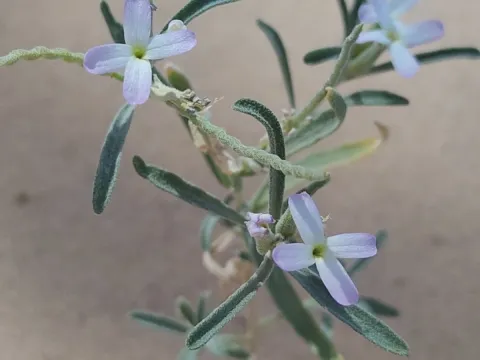
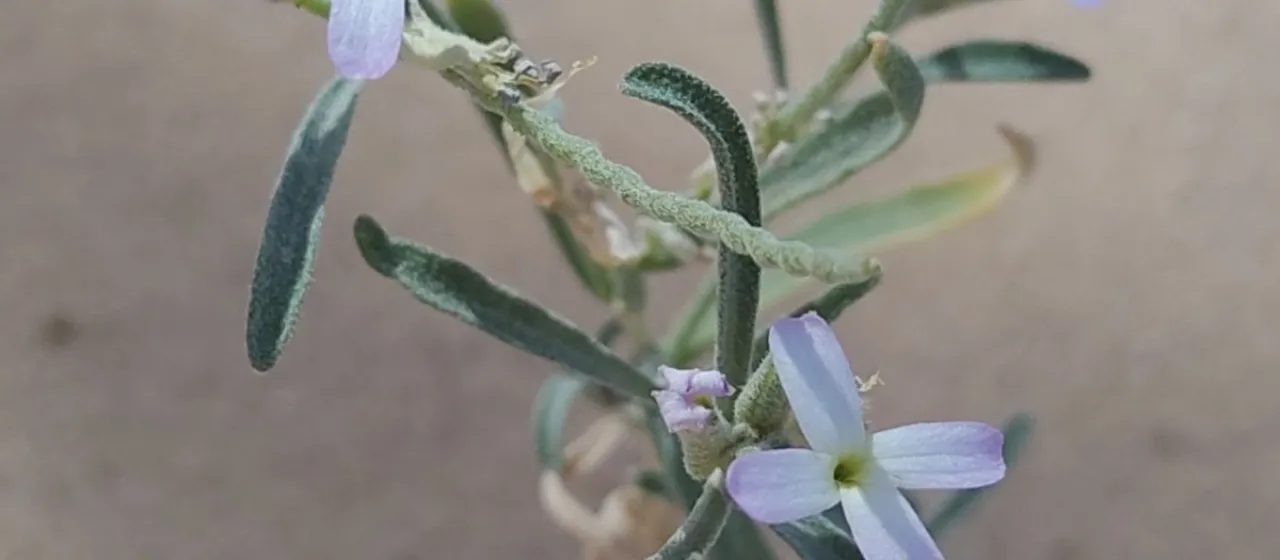
Botanically, Eremobium aegyptiacum is characterized by its branched, pubescent stems and narrow leaves, which are structural adaptations to minimize transpiration. The flowers exhibit the classic cruciferous morphology, usually appearing in white or pale shades, allowing the plant to complete its reproductive cycle rapidly during the short intervals of moisture availability.
Regarding cultivation requirements, the plant thrives in well-drained, sandy soils with minimal nutrient content. It is remarkably resilient to soil salinity and does not require complex fertilization programs. Its agrotechnical value lies in its ability to germinate and grow in conditions that are essentially hostile to traditional agricultural crops.
In terms of хозяйственное usage, Eremobium aegyptiacum is primarily valued for land rehabilitation and sand stabilization projects. In its natural environment, it serves as a source of forage for livestock, particularly camels and sheep, during the spring season, contributing to the support of pastoral livelihoods in arid zones.
- Exceptional tolerance to high evaporation rates.
- Rapid life cycle completion upon moisture detection.
- Natural adaptation to poor, sandy soil conditions.
- High resistance to solar radiation and heat stress.
Photo gallery