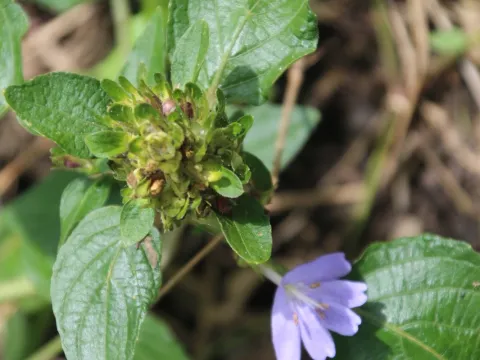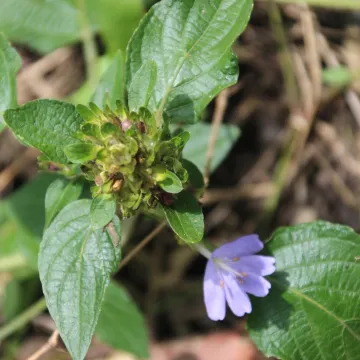
Eremomastax speciosa
Eremomastax speciosa
Description
Eremomastax speciosa is a perennial herbaceous plant belonging to the Acanthaceae family. Known for its distinct foliage and unique structural characteristics, it represents an interesting niche in botanical and horticultural studies. The plant is valued for its contribution to tropical biodiversity and its niche ornamental qualities.
Originating from the tropical regions of West and Central Africa, this species thrives in humid forest understories. Its natural habitat is defined by diffused light, high humidity, and consistent temperatures. Understanding these environmental requirements is essential for anyone attempting to cultivate this species outside of its native tropical range.
The botanical structure of Eremomastax speciosa includes robust stems and large, opposite leaves that often display a lush, vibrant appearance. The plant typically reaches a moderate size, making it suitable for greenhouse environments. Its development is slow, which necessitates a patient approach to propagation and long-term care management in an agricultural setting.
Cultivation requirements focus heavily on soil quality and atmospheric moisture. The soil must be rich in organic matter, well-draining, and slightly acidic to neutral in pH. Because the plant is native to shady environments, it is prone to leaf scorch if exposed to direct, intense sunlight. Consequently, shade management is a critical component of its successful greenhouse production.
The main areas of utilization for this plant include:
- Ethnobotanical use as traditional medicine in native regions.
- Use in ornamental horticulture for specialized greenhouse collections.
- Potential research into bioactive compounds found within the plant tissues.
Pests and diseases are primarily managed through strict environmental controls. Common pests include spider mites and whiteflies, which thrive in stagnant, dry air conditions often found in improperly managed indoor spaces. Bacterial or fungal root rot is the most significant disease risk, which can be effectively mitigated by proper drainage and consistent, non-excessive irrigation practices.
Photo gallery