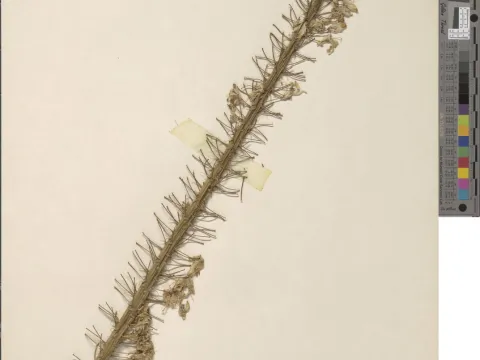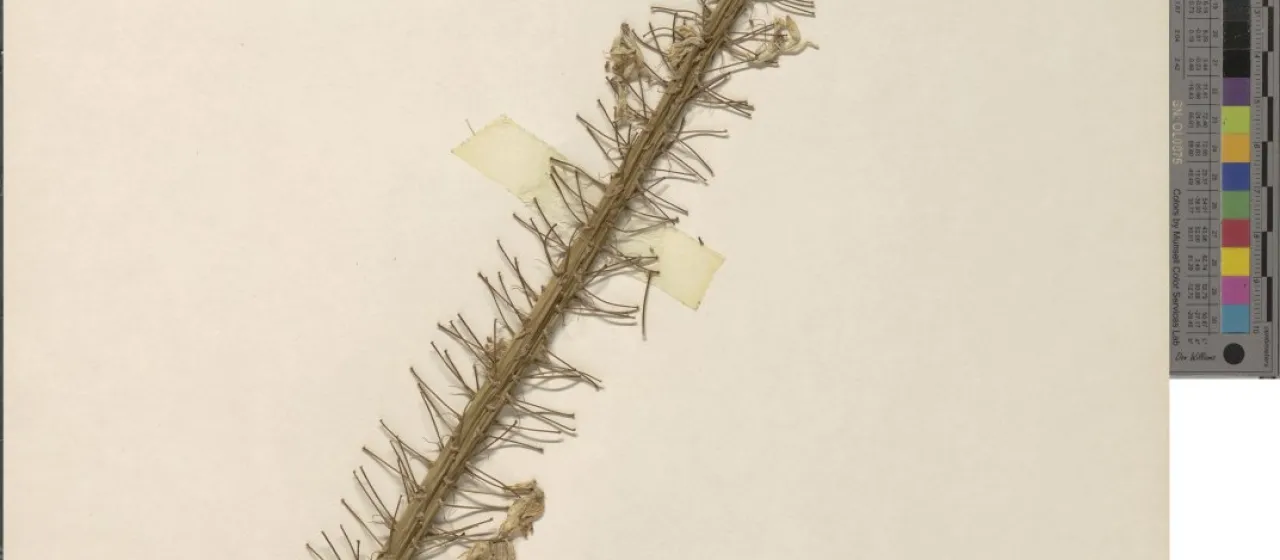
Description
Elwes' desert candle (Eremurus elwesii) is a striking herbaceous perennial belonging to the Asphodelaceae family. In horticulture, this species is highly prized for its impressive stature and its ability to form majestic, spike-like inflorescences that can reach up to two meters in height, making it a focal point in any landscape design.
The native habitat of this plant encompasses the mountainous and foothill regions of Central Asia. In the wild, the plant has adapted to harsh environmental conditions characterized by sharp temperature fluctuations and distinct seasonal changes. This evolutionary background allows the species to thrive in cultivated settings, provided that specific drainage and sunlight requirements are strictly met.
Botanically, the plant features a fleshy, rhizomatous root system radiating from a central base. Its foliage consists of a basal rosette of linear leaves, often covered with a slight waxy bloom. The flowers are small, bell-shaped, and arranged in dense, conical racemes that bloom progressively from the bottom to the top, providing a long-lasting ornamental effect.
The most critical aspect of the plant's agrotechnology is ensuring superior drainage. The culture is extremely sensitive to waterlogged conditions, which lead to root rot. The soil must be loose, nutrient-rich, and neutral in pH. Planting sites should be sheltered from strong winds that might damage the tall flower stalks, and they must receive full sun exposure throughout the day to ensure healthy development.
The primary use of Eremurus elwesii is in ornamental gardening. It is an excellent choice for specimen planting, creating architectural interest in the back of mixed borders, or for use as a dramatic cut flower in high-end floral arrangements. Typical garden pests include aphids and slugs, while the most common health issues involve root rot caused by poor soil moisture management.
Photo gallery