Eremurus lactiflorus
Eremurus lactiflorus
Description
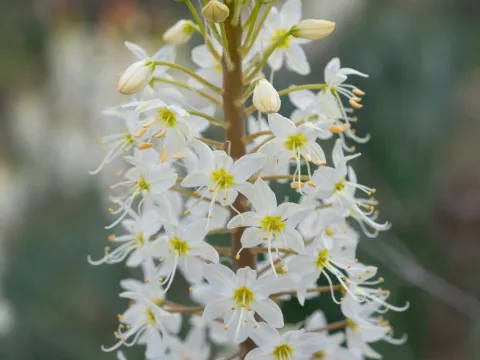
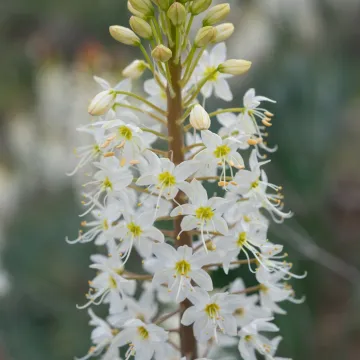
Eremurus lactiflorus, commonly known as the milk-flowered foxtail lily, is a distinguished perennial herb belonging to the Asphodelaceae family. This species is highly prized by horticulturists for its architectural impact, characterized by tall, majestic flower spikes adorned with delicate, milk-white blossoms that create a striking vertical element in any landscape.
The plant originates from the mountainous and arid regions of Central Asia. Its natural habitat is defined by dry summers and cold winters, which have strongly influenced its biological lifecycle. Due to this evolutionary adaptation, it performs best in regions where the climate allows for a distinct period of summer dormancy following the spring blooming phase.
Botanically, Eremurus lactiflorus features a unique root system consisting of a central disc from which thick, fleshy tuberous roots radiate. These structures act as vital storage organs for carbohydrates and water. The foliage is basal and strap-like, emerging early in the spring, followed by the rapid development of the impressive inflorescence.
Successful cultivation of this species requires meticulous attention to soil drainage. The plant is extremely susceptible to crown rot if moisture lingers around the rootstock, particularly during the dormant season. Therefore, it is essential to provide a well-aerated, sandy-loam soil and ensure the planting site is positioned in full sun to prevent etiolation.
In terms of usage, the foxtail lily is primarily cultivated for aesthetic purposes in borders, rock gardens, or as a focal point in flower beds. It is also suitable for high-end floral arrangements due to its unique appearance and longevity. Key challenges during the cultivation process include:
- Root rot caused by poor soil drainage.
- Early spring frost damage to the rapidly emerging succulent flower stalks.
- Insects such as aphids, which may cluster on the flower buds.
Photo gallery