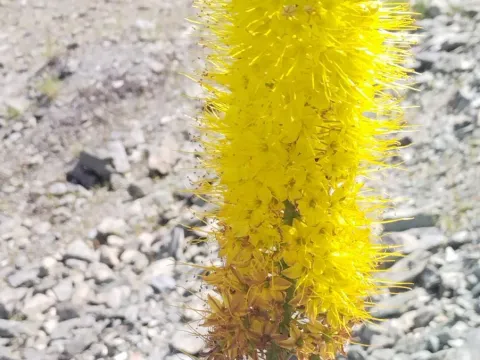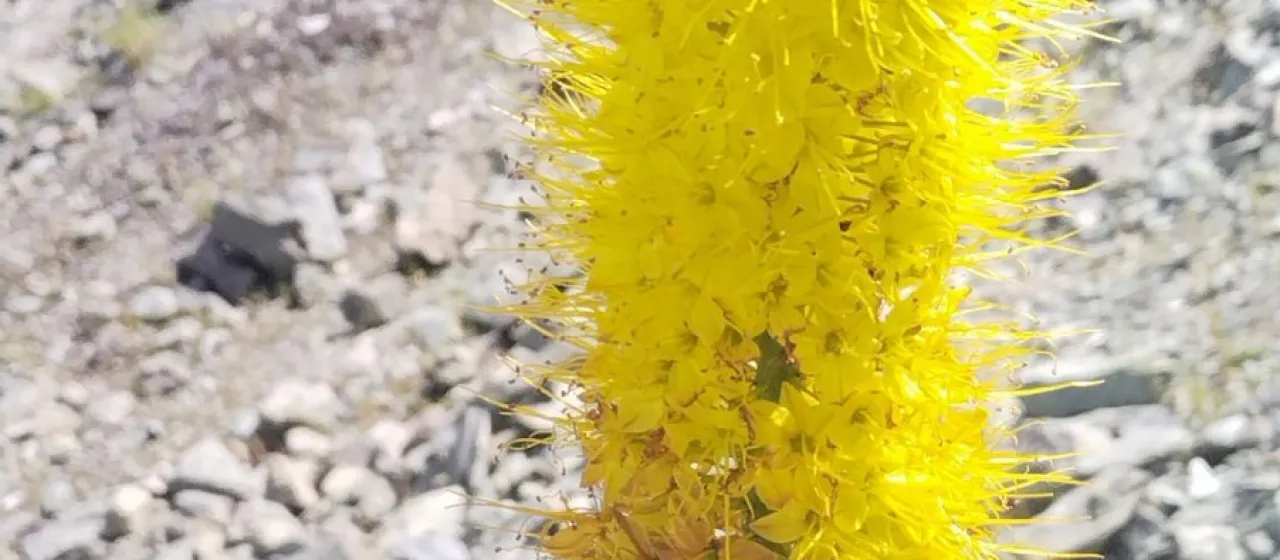
Description
Eremurus stenophyllus, commonly known as the narrow-leaved foxtail lily, is a perennial flowering plant within the Asphodelaceae family. This species is highly valued in horticulture for its long, slender, spike-like inflorescences that carry dense clusters of bright yellow flowers, serving as an architectural focal point in professional landscaping.
The plant originates from the arid and semi-arid mountainous regions of Central and Western Asia. Throughout its evolutionary history, it has adapted to climates characterized by severe temperature fluctuations and distinct dry seasons, which informs its specific biological requirements for a dormant period following the flowering stage.
The botanical structure consists of a basal rosette of long, strap-like leaves and a robust, leafless scape. Its root system, often described as tuberous, features thick, fleshy roots radiating from a central crown, which serves as a vital energy storage organ that requires careful handling during planting or propagation to avoid mechanical damage.
Successful cultivation relies heavily on soil structure and site selection. The primary requirement is excellent drainage; the plant is extremely susceptible to crown and root rot if moisture persists in the substrate. Ideal conditions involve full sun exposure, a well-aerated sandy loam soil, and protection from strong, damaging winds that could affect the stability of the tall flower stalks.
In addition to ornamental use, proper management is essential to minimize health risks. Maintenance practices include monitoring for common issues:
- Leaf spot and rust caused by excessive atmospheric humidity or poor airflow.
- Root rot associated with heavy, poorly drained soil conditions.
- Damage caused by aphids and mollusks during the early development stages of the spring foliage.
Photo gallery