Shelford foxtail lily
Eremurus x isabellinus P. Vilm.
Description
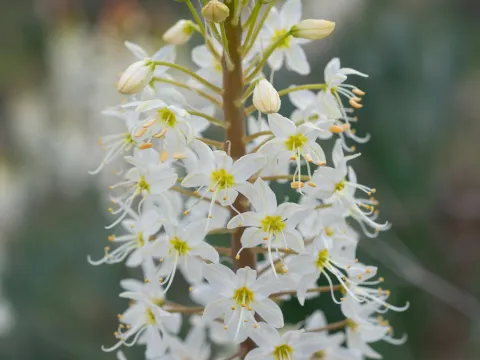
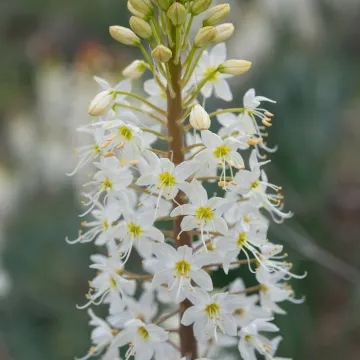
Shelford foxtail lily (Eremurus x isabellinus) is a spectacular hybrid perennial plant belonging to the Asphodelaceae family. This ornamental crop is widely recognized for its impressive height and unique, dense, spike-like inflorescences that emerge from a basal rosette of narrow, strap-like foliage, making it a focal point in any garden setting.
Botanically, the plant features a fleshy, succulent root system shaped like a spider, which stores nutrients throughout the dormant summer period. The flower spikes grow vertically, reaching heights of up to 2 meters, and are densely covered with small, star-shaped flowers that bloom sequentially. The color spectrum of this hybrid spans from soft pastels to vibrant yellows and orange tones.
This species thrives in locations with full sun exposure and well-draining, nutrient-rich soil. Because the roots are highly susceptible to rot, it is essential to plant them in raised beds or areas with excellent drainage capacity. In colder climates, the rootstock should be mulched heavily or even lifted after the foliage dies back to protect it from freezing temperatures and excess winter moisture.
Agricultural management requires careful attention to the moisture cycle. Watering should be regular during the spring growth phase but strictly minimized during the summer dormancy period when the plant goes into rest. Occasional feeding with balanced fertilizers in early spring is beneficial for promoting vigorous growth and ensuring a successful display of blossoms.
The primary use of this crop is in ornamental landscape design, particularly in borders or as architectural elements in flowerbeds. When used as a cut flower, it offers a long vase life and striking visual appeal. Growers should monitor for common issues such as:
- root rot caused by poor soil drainage;
- aphid infestations on flower buds;
- rust disease during periods of high humidity;
- slug damage to young shoots in early spring.
Photo gallery