Description
Eriachne pallescens is a perennial grass species belonging to the Poaceae family. It is recognized for its tufted growth habit, which allows it to thrive in diverse and often challenging environmental conditions, particularly in tropical and subtropical climates.
The native distribution of this species spans across regions in Australia and Southeast Asia. It is commonly found in grasslands, savanna landscapes, and disturbed areas where it demonstrates remarkable resilience against environmental stress factors like heat and moisture scarcity.
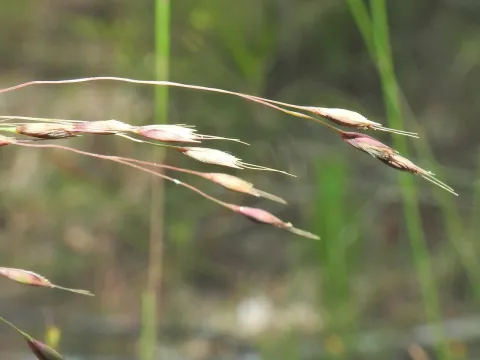
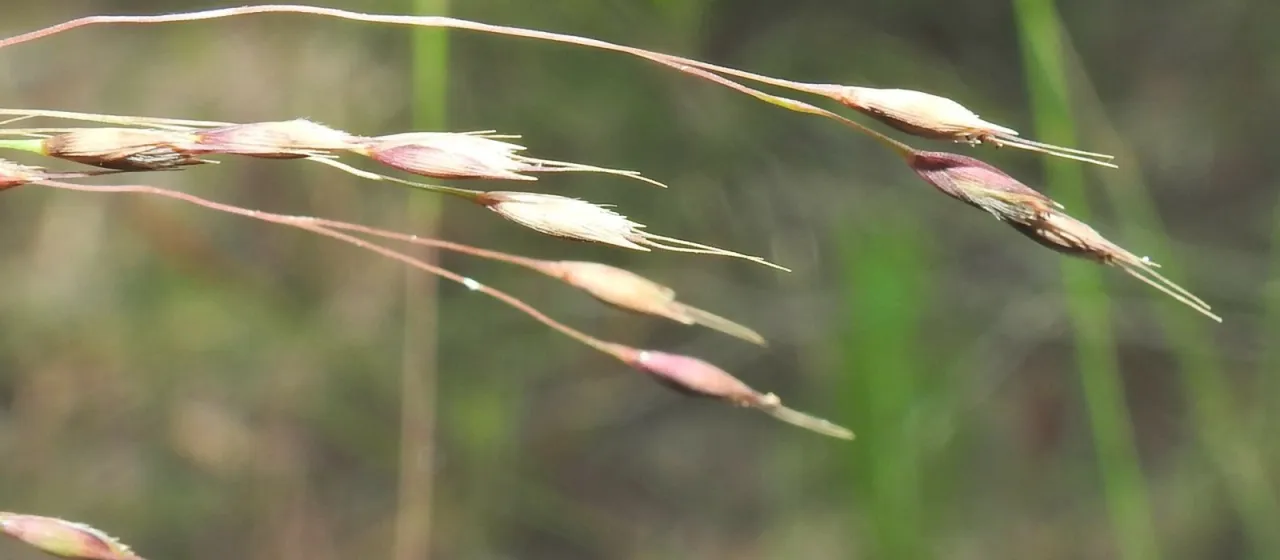
Botanically, Eriachne pallescens is characterized by its slender leaves and pale, terminal panicle inflorescences. The root system is relatively deep and fibrous, which is a critical adaptation for survival in nutrient-poor soils and during extended dry periods, ensuring the plant remains stable in arid terrain.
Regarding soil requirements, this species performs best on well-drained, sandy, or loamy soils. It has low nutritional demands and does not typically require intensive fertilization. Agronomic management is usually minimal, as the grass is naturally adapted to persist with little to no human intervention in its primary habitats.
In terms of agricultural utilization, it is primarily valued for its forage potential in grazing systems. Although it may not match the nutritional yield of premium cultivated grasses, its ability to maintain cover and provide sustenance in marginal lands makes it a vital component of pasture ecosystems in its native regions.
- Excellent drought tolerance
- Adaptable to nutrient-poor soils
- Low-input maintenance requirements
- Resilient to grazing pressure
Photo gallery