Description
Erica abietina is an evergreen ornamental shrub belonging to the Ericaceae family. While not a conventional food crop, it holds significant importance in the ornamental nursery industry. Its distinct morphology makes it a specialized subject for horticultural cultivation in temperate and Mediterranean climate zones.
The plant originates from the Western Cape region of South Africa. In its native habitat, it thrives in well-defined ecological niches. Global cultivation is restricted to areas where climatic conditions mimic its natural environment or in protected environments such as greenhouses and specialized botanical garden beds.
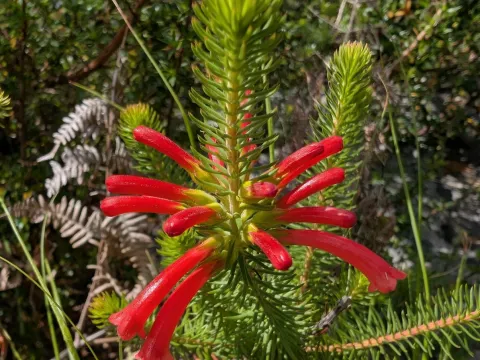
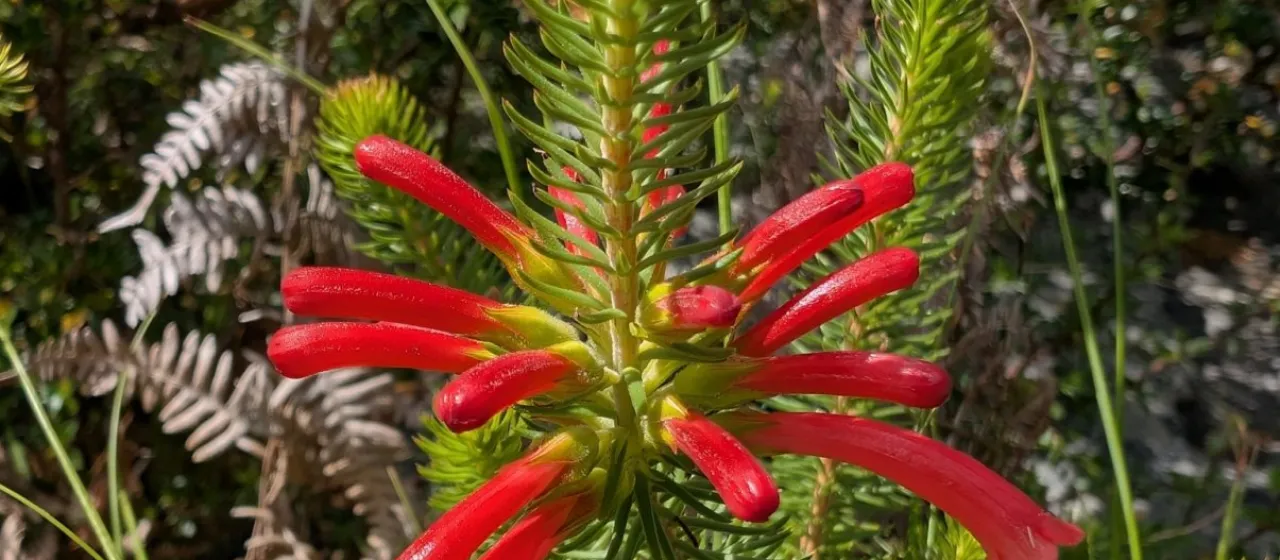
Botanically, this species is characterized by its linear, needle-like leaves that resemble those of a fir tree, giving the plant its specific epithet. The flowers are typically tubular and vibrant, appearing in dense clusters. The shrub maintains a compact and woody growth habit, requiring minimal pruning compared to faster-growing ornamental species.
Agricultural practices for this species focus on precision in soil chemistry and irrigation management:
- Requirement for acidic, well-draining substrates rich in organic peat or pine bark.
- Strict irrigation protocols using lime-free water to prevent chlorosis.
- High light intensity exposure while avoiding extreme, scorching heat.
The primary use of Erica abietina is in landscape design and container gardening. Commercial production is intensive, requiring careful monitoring to prevent diseases such as root rot and fungal wilt. Key pests include scale insects and spider mites, which can be managed through integrated pest management strategies tailored for ericaceous plants.
Photo gallery