Description
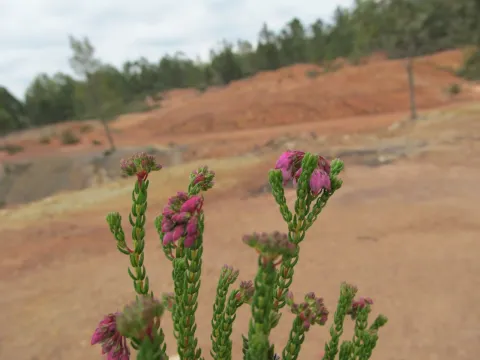
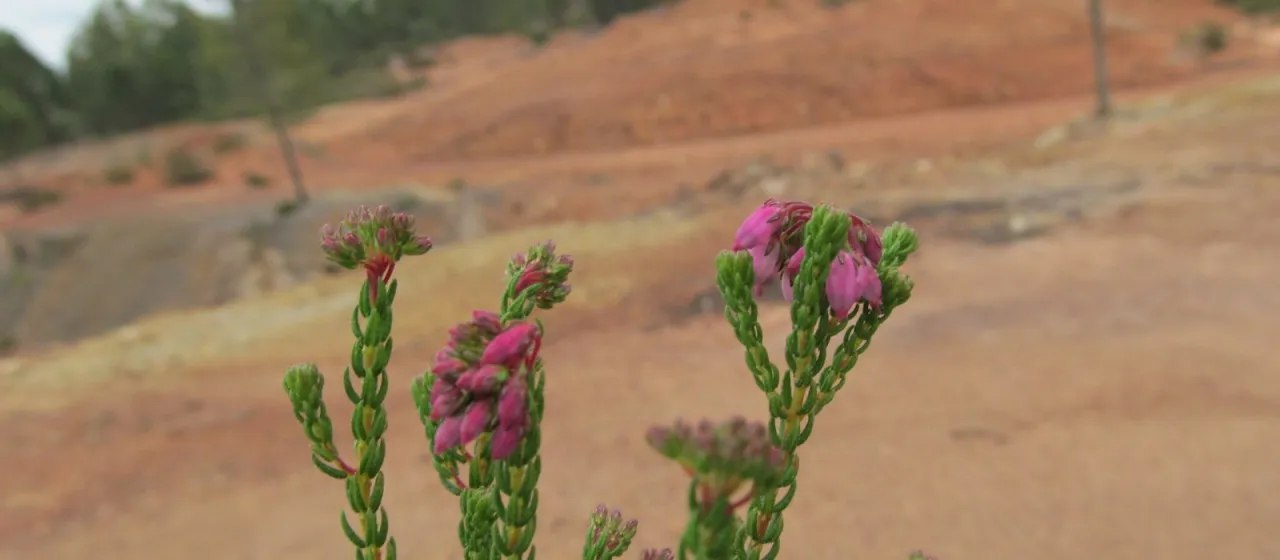
Erica andevalensis is a specialized species within the Ericaceae family, native to the Andevalo region in Huelva, Spain. This evergreen shrub is internationally recognized for its extraordinary physiological adaptations, specifically its tolerance to acidic, mineral-rich soils contaminated with heavy metals. Unlike many other ornamental heathers, this species has evolved to thrive in soils that would be toxic to most conventional agricultural crops.
Botanically, the plant is characterized by its compact, woody structure and needle-like leaves that are typical for the Erica genus. It produces a profusion of bell-shaped flowers during its peak flowering season, which provides significant visual appeal. The plant's root system is exceptionally efficient at nutrient uptake in hostile environments, which contributes to its status as a robust and resilient species in its native habitat.
To cultivate Erica andevalensis successfully, gardeners must mimic its natural ecological niche. This involves planting in well-draining, highly acidic substrates, typically with a pH level between 4.5 and 5.5. Adequate sunlight is essential for the plant to maintain its compact growth habit and produce a dense canopy of flowers; shading often leads to etiolation and a reduction in overall plant vigor.
The agronomic management of this species requires a careful approach to irrigation and fertilization. Water should be applied only when the top layer of the substrate becomes dry to prevent root rot, which is the most common cause of mortality in cultivated specimens. Feeding should be restricted to slow-release acidic fertilizers specifically designed for Ericaceous plants, ensuring the absence of lime, which is highly detrimental to the species' metabolism.
Beyond its use in ornamental landscaping, Erica andevalensis has gained prominence in ecological engineering and phytoremediation. It is frequently employed in restoration projects aimed at rehabilitating soil health in former mining districts. By stabilizing soil and extracting contaminants, the plant provides a dual benefit: restoring the aesthetic value of the landscape and assisting in the natural decontamination of the soil profile.
- Requires acidic soil pH 4.5–5.5
- High tolerance for heavy metals
- Optimal growth in full sun
- Sensitive to waterlogging
- Excellent for phytoremediation
Photo gallery