Description
Azores heather (Erica azorica) is a perennial evergreen shrub belonging to the Ericaceae family. Native exclusively to the Azores archipelago, this species is highly adapted to the unique, misty, and maritime climate of these volcanic islands, where it often acts as a pioneer species in the local vegetation succession.
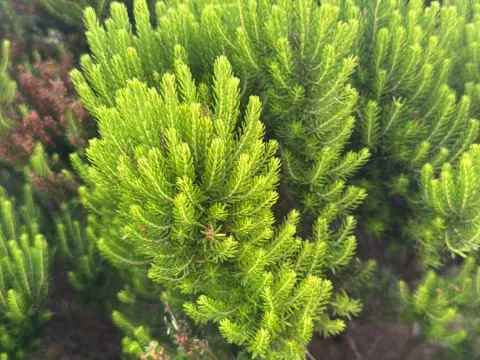
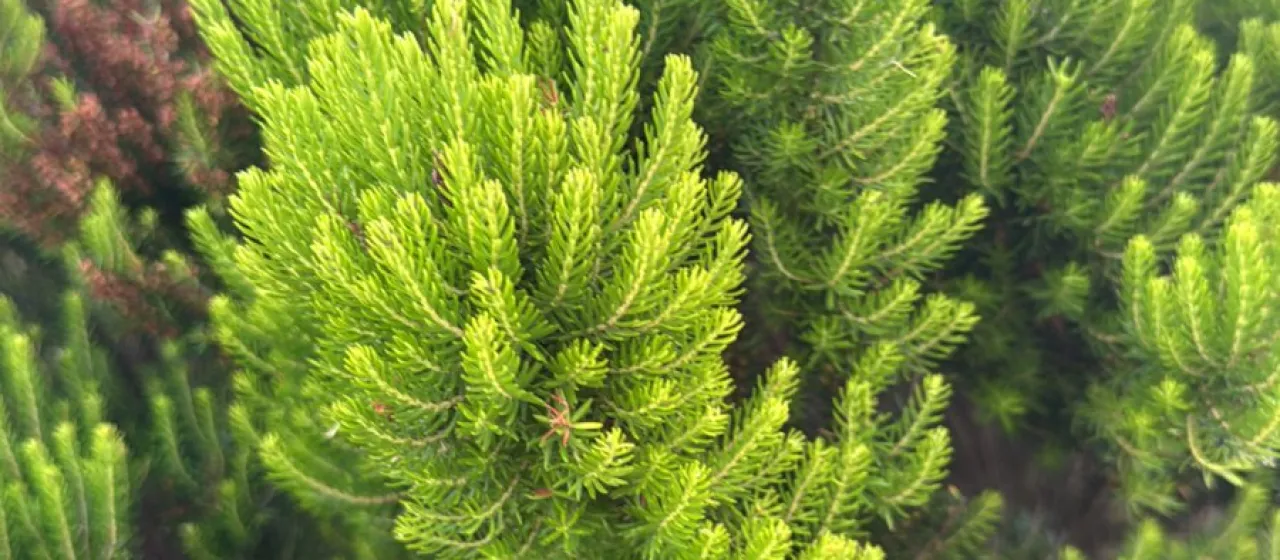
Botanically, the plant is distinguished by its dense habit, needle-like foliage, and profusion of small, bell-shaped flowers that appear during the flowering season. Its morphology allows it to withstand strong oceanic winds, making it a robust component of the coastal shrublands in its natural habitat.
The environmental requirements for Erica azorica include a consistent supply of moisture, high atmospheric humidity, and acidic soil conditions. It is strictly calcifuge, meaning it cannot tolerate alkaline soils or high calcium content, which interferes with its ability to absorb necessary nutrients through its specialized root system.
Regarding cultivation and agronomy, managing soil pH is the most critical factor for success. Growers must utilize specialized ericaceous compost or amended garden soil that provides excellent drainage while remaining consistently moist. Lack of proper aeration in the root zone often leads to the development of pathogenic fungi, which can be detrimental to the plant's health.
In terms of practical application, the Azores heather is primarily valued for its ornamental role in specialized gardens and for its utility in ecological restoration projects within its native range. Like most members of the heather family, it is susceptible to root rot caused by poor drainage and may occasionally be attacked by pests such as spider mites or scale insects, requiring careful integrated pest management strategies.
Photo gallery