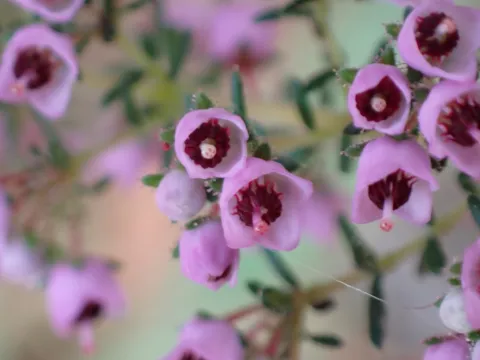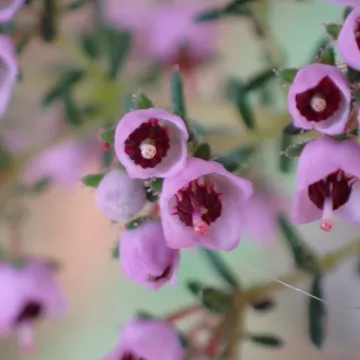

Two-colored heath
Erica bicolor
Description
Erica bicolor, commonly known as the two-colored heath, is an evergreen shrub belonging to the Ericaceae family. As a cultivated plant, it is widely recognized in the nursery industry for its aesthetic appeal, specifically due to the distinctive bicolored petals that differentiate it from other heath species.
The species originates from the diverse climatic zones of South Africa. In terms of global cultivation, it is primarily grown as an ornamental crop in nurseries, specialized greenhouses, and botanical gardens. Its adaptation to specific environmental conditions makes it a niche plant that requires careful management in non-native latitudes.
Botanically, the plant features dense, needle-like foliage and bell-shaped flowers arranged in terminal racemes. Its root system is exceptionally fine and relies on a symbiotic relationship with mycorrhizal fungi for nutrient uptake, which dictates many of its specific agricultural requirements.
The agronomic management of this culture focuses on maintaining high soil acidity and excellent drainage. The plant thrives in sandy or peaty soils with low nutrient density. Cultivation requires regular, light watering with non-alkaline water and protection from extreme temperature fluctuations, making climate-controlled greenhouses ideal for commercial production.
The economic value of this crop is centered on decorative landscaping and container gardening. Commercial producers must be vigilant regarding potential phytosanitary threats that can compromise the plant's health, such as:
- Phytophthora root rot caused by poor soil aeration.
- Gray mold (Botrytis) during high humidity seasons.
- Common pests like spider mites and mealybugs that thrive in controlled greenhouse environments.
Photo gallery