Description
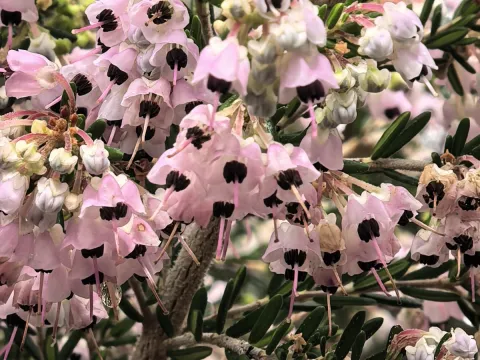
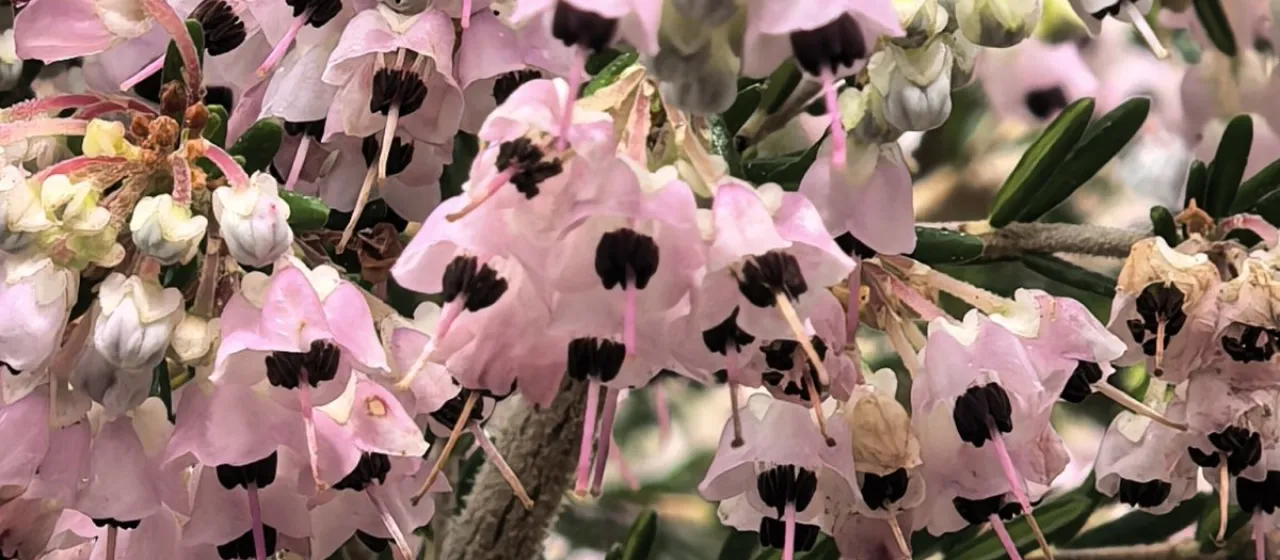
Channelled heath (Erica canaliculata) is a robust evergreen shrub classified within the Ericaceae family. Known for its distinct growth habit and dense spikes of bell-shaped flowers, this plant serves as a staple in ornamental horticulture, particularly in regions with a mild, Mediterranean-like climate.
Originating from South Africa, this species thrives in environments where winter temperatures remain above freezing. While its natural distribution is limited to specific African biomes, horticultural practices have allowed it to be cultivated globally in pots or as a seasonal garden display, provided that thermal protection is available during colder months.
Botanically, Erica canaliculata is characterized by its whorled, needle-like leaves and small, prolific flowers that bloom towards the tips of its branches. The plant is prized for its long flowering season and its capacity to maintain an attractive, compact structure, reaching heights of approximately 1 to 2 meters under optimal conditions.
Successful cultivation relies heavily on soil management. Like most members of the Ericaceae family, it requires acidic, well-draining soil with a pH between 4.5 and 5.5. Growers must ensure the substrate is nutrient-poor but highly breathable; heavy or alkaline soils are detrimental to the plant's long-term survival and vitality.
Agricultural and gardening challenges mainly involve managing irrigation to prevent root rot and keeping an eye on common pests such as spider mites. Maintenance protocols should include annual pruning after the flowering phase to prevent the plant from becoming leggy and to encourage the growth of new, vibrant flower-bearing shoots in the following season.
- Light requirements: Full sun to partial shade.
- Watering: Keep moist but avoid waterlogging at all costs.
- Fertilization: Use acid-loving plant fertilizers sparingly.
- Propagation: Best achieved through semi-hardwood cuttings.
Photo gallery