Erica cylindrica
Erica cylindrica
Description
Erica cylindrica is a perennial evergreen shrub belonging to the Ericaceae family. Known for its distinct cylindrical flower spikes, this species is a prized ornamental plant, often cultivated by enthusiasts who specialize in plants that thrive in acidic and well-drained soil conditions.
Originating from the mountainous regions of South Africa, this plant is naturally adapted to specific ecological niches. Its distribution is limited to areas where the soil profile is lean, sandy, or rocky, and where the atmosphere remains relatively humid. These conditions must be replicated in a controlled environment to ensure healthy growth.
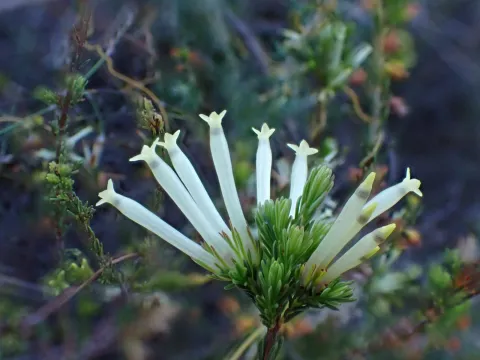
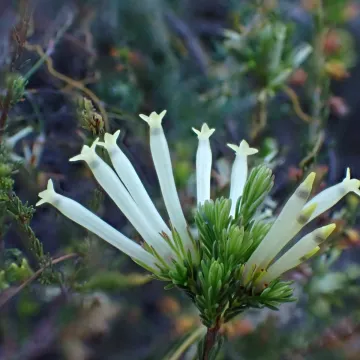
Botanically, the plant features needle-like foliage typical of the genus and elongated, tube-like flowers that distinguish it from other Erica species. Its growth habit is generally upright and compact, making it suitable for both container gardening and specific landscaping applications in temperate to mild climate zones.
The agronomy of Erica cylindrica focuses heavily on soil chemistry and moisture management. It requires a substrate with a low pH and excellent drainage, as the roots are highly susceptible to root rot in waterlogged conditions. Adequate light is crucial, though the plants often benefit from protection against intense, direct sunlight during the peak of summer.
- Planting in a well-draining, peat-based acidic mix.
- Consistent watering using soft or rainwater only.
- Mulching with pine needles or similar materials to keep roots cool.
- Avoiding high-calcium fertilizers which can be lethal to the roots.
In terms of plant health, Erica cylindrica is susceptible to fungal pathogens like Phytophthora, especially if drainage is inadequate. Pest monitoring should focus on spider mites and mealybugs, which are common in indoor or greenhouse settings. Maintaining good air circulation and strictly avoiding over-fertilization are the primary methods for preventing disease outbreaks.
Photo gallery