Erica discolor
Erica discolor
Description
Erica discolor is an evergreen shrub species belonging to the Ericaceae family, widely recognized for its ornamental value. This plant is a popular choice for rock gardens and borders in regions that match its specific climatic preferences, providing long-lasting aesthetic appeal through its unique floral structure.
Native to the regions of South Africa, particularly the Western Cape, this plant thrives in environments that mimic its natural habitat. It has adapted to thrive in specialized niches where environmental stability is key to its successful development, which makes it a demanding yet rewarding plant for horticultural enthusiasts.
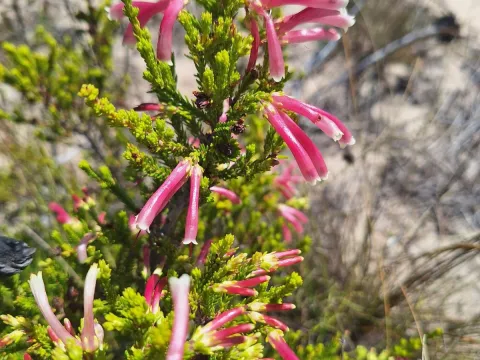
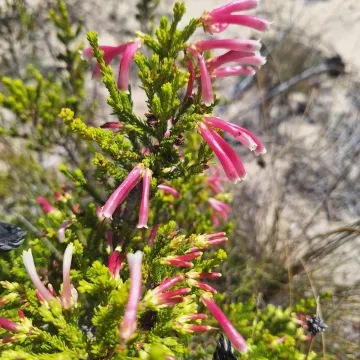
The botanical profile of Erica discolor includes fine, needle-like foliage and distinct tubular flowers. These blossoms exhibit a transition of colors as they mature, which is the primary trait defining the species. The shrub typically maintains a compact, dense habit, making it ideal for container gardening in cooler climates where it can be moved indoors during winter.
Cultivation requires strict adherence to soil acidity, specifically requiring an ericaceous (acidic) potting mix with a pH range of 4.5 to 5.5. Drainage is the most critical factor; the root system is highly susceptible to rot if water persists in the root zone. Regular pruning after the flowering season is recommended to maintain shape and promote vigor for the following year.
The primary use of Erica discolor is within ornamental landscape architecture and horticultural collections. Key threats to the plant's health include:
- Root rot pathogens (Phytophthora) triggered by poor drainage.
- Spider mites thriving in low-humidity conditions.
- Scale insects that sap the vitality of young stems.
Photo gallery