Description
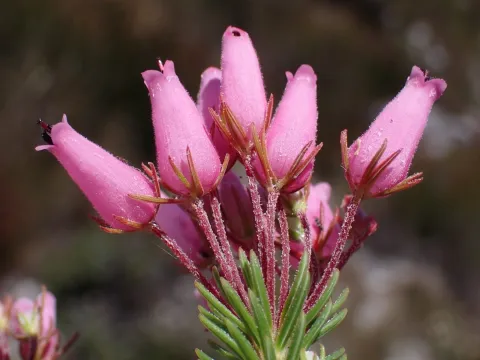
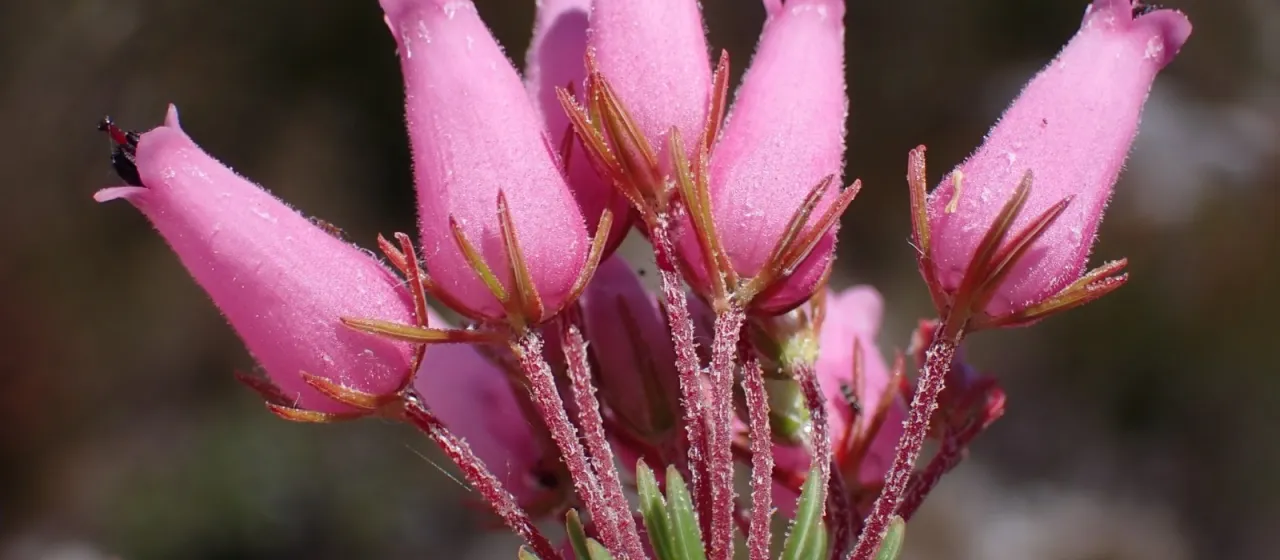
Erica doliiformis is a distinctive evergreen shrub belonging to the Ericaceae family. Known for its unique aesthetic, this species is highly valued in horticulture for its barrel-shaped blossoms and dense, compact growth habit, making it a focal point in specialized gardens.
The plant originates from the Cape region of South Africa. In its native habitat, it has adapted to nutrient-poor, sandy, acidic soils and a Mediterranean-like climate, characterized by cool, wet winters and warm, dry summers, which dictates its specific needs in cultivation.
Botanically, Erica doliiformis is defined by its small, needle-like leaves and terminal inflorescences. The flowers are typically tubular or barrel-shaped, which allows them to effectively protect the reproductive organs from harsh environmental conditions while attracting specific pollinators.
Successful cultivation requires strict adherence to soil chemistry. This species thrives only in well-draining, acidic substrates (pH 4.5–5.5). Poor drainage is the most common cause of plant failure, leading to root rot and eventual death, therefore site preparation is the most critical step.
Essential cultivation guidelines include:
- Maintaining a consistent acidic soil profile using specialized mulches.
- Providing adequate sunlight, preferably morning sun with afternoon shade in hot climates.
- Using fertilizers formulated specifically for ericaceous plants to avoid salt stress.
- Performing light pruning after the flowering season to maintain the desired shape.
Disease management primarily focuses on preventing fungal pathogens such as Phytophthora, which thrive in waterlogged soil. Pests to watch for include spider mites and scale insects. Integrated pest management, including regular inspection and the use of targeted systemic treatments, is recommended to ensure plant vitality.
Photo gallery