Erica galioides
Erica galioides
Description
Erica galioides is a distinct species of evergreen shrub belonging to the Ericaceae family. Known for its specific morphological characteristics, this plant is primarily cultivated for ornamental purposes in botanical gardens and specialized landscaping projects. While it is not a traditional food crop, its role in niche horticultural markets is significant due to its unique growth habit.
The native range of this species is located in South Africa, where it thrives in high-altitude environments and rocky slopes. The climate in these regions is characterized by well-defined dry and wet seasons, to which the plant has developed a specific physiological response. In cultivation, it requires conditions that mimic these natural parameters to ensure optimal development.
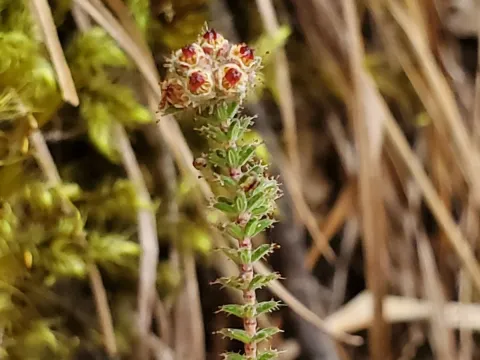
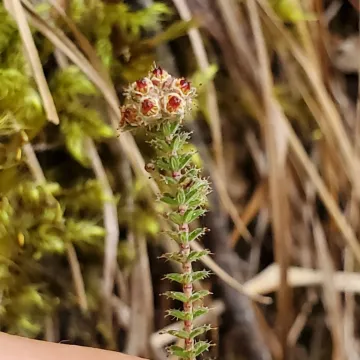
Botanically, Erica galioides is identified by its small, needle-like leaves and clustered, bell-shaped flowers. The architecture of the shrub is typically dense and slow-growing. The plant relies on fine, fibrous roots that require aeration and a porous medium to flourish. Its growth speed is relatively low, making it a sustainable choice for permanent landscape displays.
Agricultural success with this crop is heavily dependent on soil management. The plants are strict calcifuges, meaning they require acidic soil conditions (pH 4.5–5.5). In an agricultural or greenhouse setting, the soil must be supplemented with organic matter such as peat or pine bark to maintain the necessary acidity and provide excellent drainage. Irrigation should be carefully managed to avoid waterlogging.
Maintaining the health of Erica galioides involves constant monitoring for common threats. Aphids and spider mites are the most prevalent pests that can infest the foliage, particularly in controlled greenhouse environments. Root rot remains the primary pathological concern, triggered almost exclusively by poor irrigation practices or heavy, non-draining soil. Preventive measures include ensuring proper air circulation and maintaining rigorous hygiene within the planting area.
Photo gallery