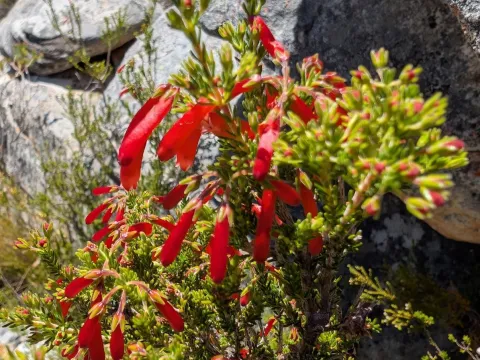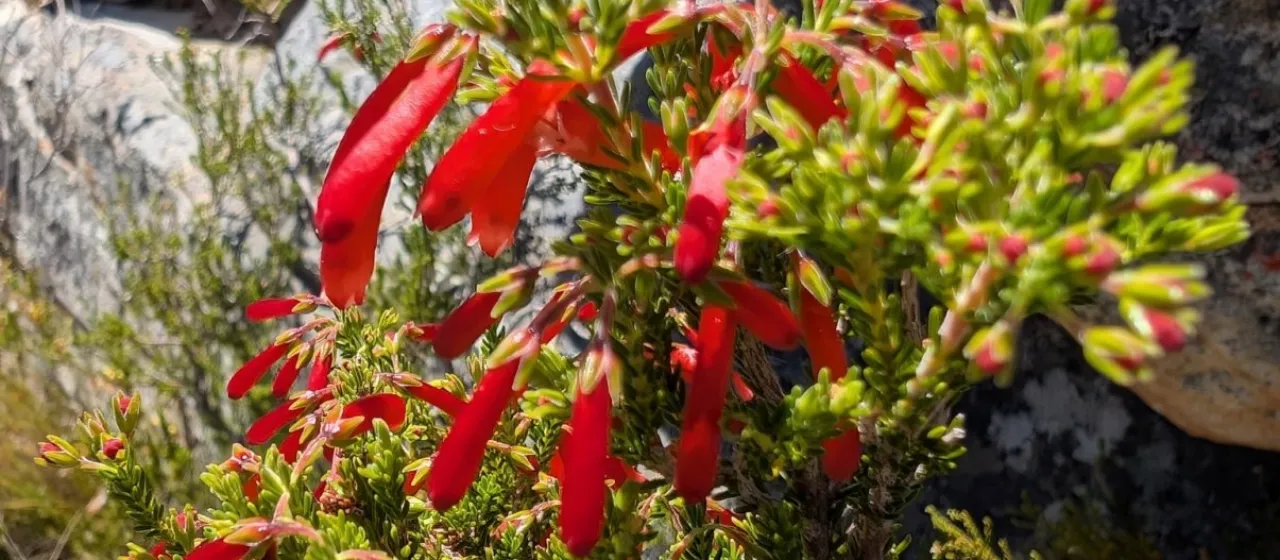
Description
Erica haematosiphon is a distinctive species of evergreen shrub belonging to the Ericaceae family. Known for its specific botanical morphology and unique tubular-shaped flowers, this plant serves as a niche species in specialized horticultural collections. As a member of the diverse Erica genus, it displays traits adapted to survival in specific environmental niches, requiring specialized care.
The native distribution of this species is confined to parts of South Africa. It thrives in regions characterized by specific moisture and temperature regimes. In practical agriculture and gardening, it is typically cultivated in controlled environments such as greenhouses or conservatories, as it possesses limited frost hardiness and requires stable environmental conditions to reach its full decorative potential.
Botanically, the plant is characterized by a dense growth habit and fine, needle-like foliage typical of the genus. Its primary aesthetic feature is its tubular flowers, which are highly ornamental. The root system is delicate and depends heavily on a symbiotic relationship with mycorrhizal fungi to extract nutrients efficiently from the substrate, making it susceptible to improper soil conditions.
Successful cultivation requires meticulous management of the growing medium, which must be acidic (pH 4.5–5.5) and highly porous. Irrigation water must be low in minerals and slightly acidified to prevent lime buildup, which is detrimental to the health of the plant. Maintaining optimal drainage is critical, as stagnant water is a primary cause of failure in the cultivation of this species.
The primary use of this crop is in the ornamental horticulture sector, where it is utilized for specialized garden displays or greenhouse collections. When maintaining this plant, one must be aware of the following health risks:
- Root rot diseases, which often occur due to poor drainage or overwatering.
- Invasive pests like spider mites and scale insects, which frequently attack the foliage in low-humidity environments.
- Nutrient deficiencies, particularly iron chlorosis, which occur if the soil pH shifts out of the required range.
Photo gallery