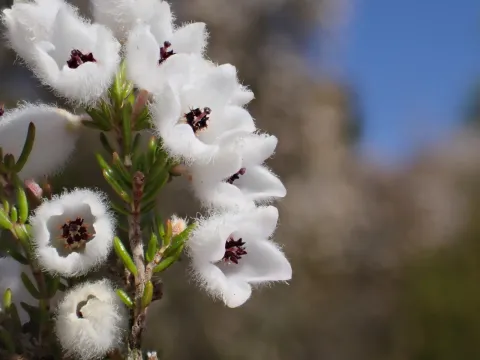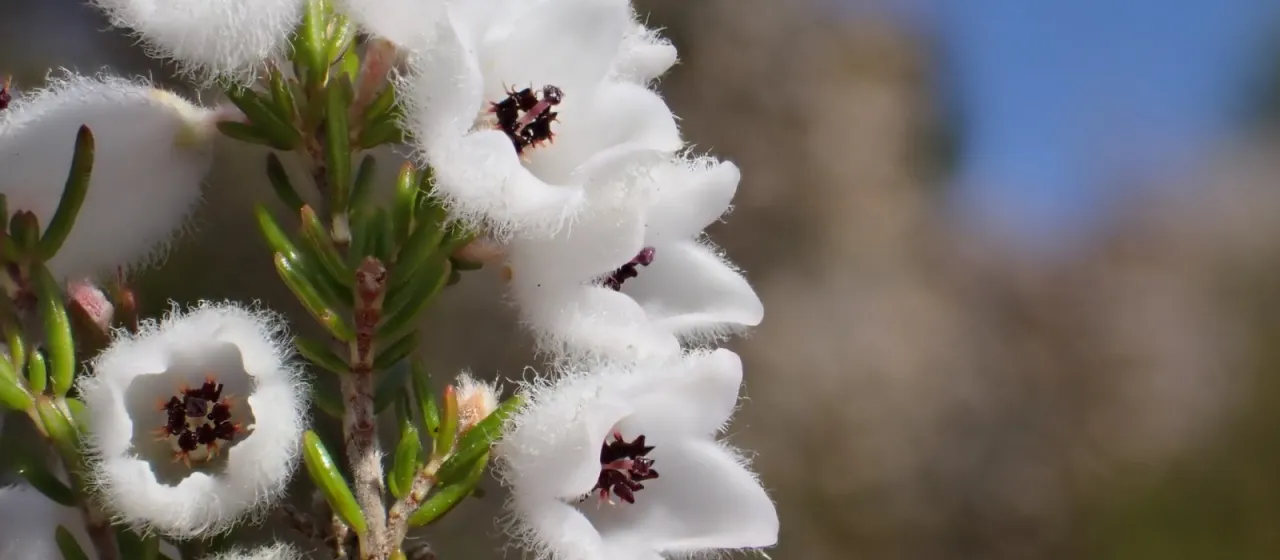
Description
Erica peziza is an evergreen shrub species belonging to the Ericaceae family. While not a conventional food crop, it holds significant importance in the ornamental nursery industry. It is highly regarded for its unique appearance and specific physiological requirements, making it a valuable subject for specialized plant production and commercial landscape design.
Native to South Africa, specifically the Cape Floristic Region, this plant has evolved to thrive in nutrient-poor, acidic, and well-drained soils. Its natural habitat is defined by a Mediterranean climate with specific wet and dry cycles, which must be replicated in a controlled environment to ensure healthy development and vigorous growth of the shrub.
Botanically, Erica peziza is distinguished by its compact growth habit and specialized floral structures. The specific epithet refers to the shape of its flowers, which resemble the fruiting bodies of Peziza fungi. The foliage consists of needle-like leaves covered in a protective waxy cuticle, which acts as a mechanism to minimize transpiration in windy or sun-exposed conditions.
The agronomy of this crop necessitates strict adherence to soil pH, which must remain within a range of 4.5 to 5.5. A typical cultivation setup includes:
- Acidic peat-based substrates or specialized heath soil mixtures.
- Excellent drainage systems to prevent root rot.
- Regular applications of iron-rich fertilizers specifically formulated for ericaceous plants.
- Controlled watering using soft or acidified water.
In terms of agricultural threats, Erica peziza is susceptible to various fungal pathogens if managed poorly, particularly Phytophthora species. Effective cultivation involves monitoring soil moisture levels and applying preventative fungicides. Economic value is derived from its use as a premium ornamental plant in garden centers and specialized landscaping projects across compatible climatic zones.
Photo gallery