Description
Erica pinea is a perennial evergreen shrub belonging to the Ericaceae family. While primarily categorized as an ornamental plant within the horticultural sector, it displays distinct biological traits that necessitate precise environmental control when grown in non-native climates, often requiring specialized nursery management techniques.
Originating from the Cape region of South Africa, the plant is naturally adapted to Mediterranean-type climates with cool, wet winters and dry, warm summers. Its cultivation globally is concentrated in temperate regions where it is often grown in containers or greenhouses to protect it from extreme frost, which the plant cannot tolerate in its natural state.
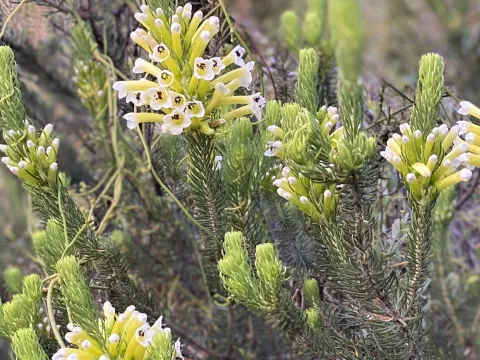
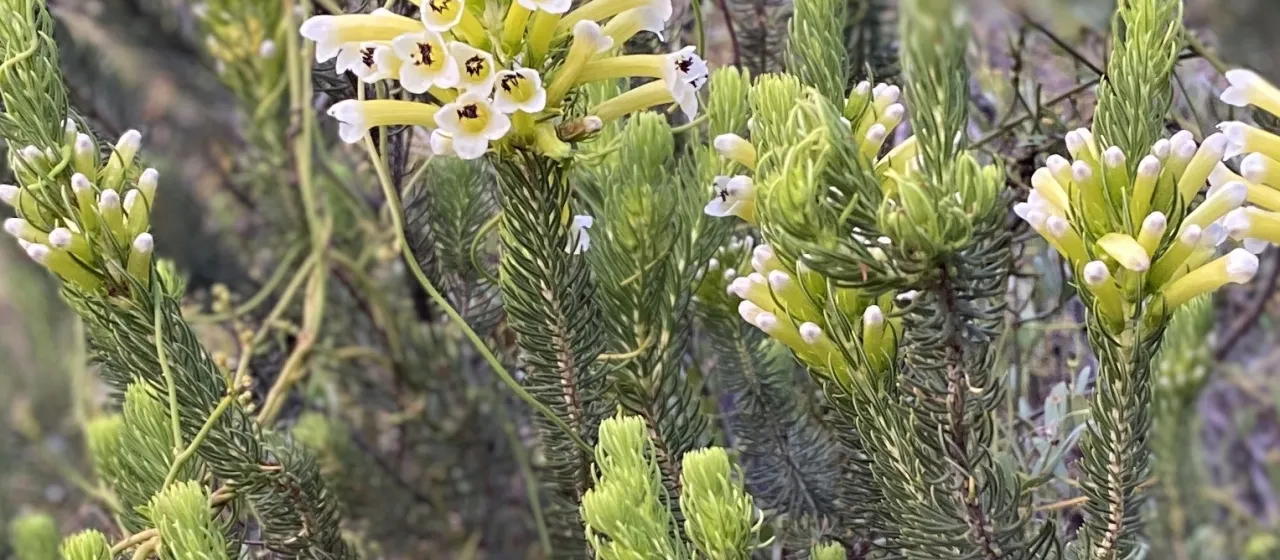
Botanically, the species is defined by its needle-like leaves that resemble those of a pine tree, providing the origin for its specific epithet. The plant produces showy, tubular flowers that appear in terminal clusters, making it highly attractive for landscaping. These morphological traits contribute to its popularity in high-end gardening and specialized plant production.
Cultivation success relies heavily on soil management. Erica pinea requires acidic, well-draining soil with a significant organic matter content, typically provided through peat-based or coniferous leaf mold mixtures. Farmers and gardeners must avoid soil compaction and calcareous substrates, as the roots are extremely sensitive to lime, which leads to chlorosis and eventual plant decline.
In terms of plant health, Erica pinea is susceptible to several pathogens and pests. Phytophthora root rot is the most significant threat, often exacerbated by poor drainage and excessive irrigation. Additionally, spider mites can become problematic in low-humidity environments. Integrated pest management, focusing on proper air circulation and strictly regulated watering schedules, is essential for maintaining crop vigor.
- Requirement for acidic growing medium (pH 4.5–5.5).
- High tolerance for light pruning after the flowering season.
- Prevention of waterlogging is critical for root health.
- Preference for bright, indirect light exposure.
Photo gallery