Erica reunionensis
Erica reunionensis
Description
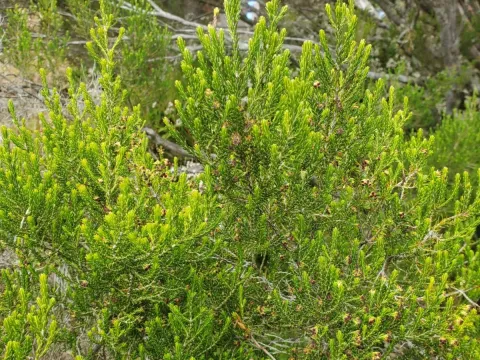
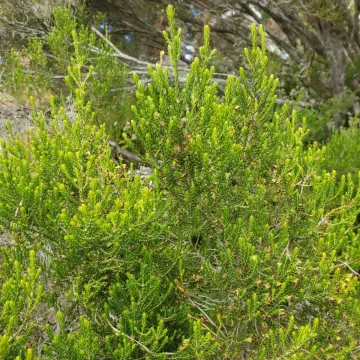
Erica reunionensis is an evergreen shrub belonging to the Ericaceae family. It is an endemic species native to the island of Reunion, located in the Indian Ocean. Being a specialized highland plant, it has evolved to thrive in nutrient-poor, volcanic substrates, becoming an integral part of the local flora and unique ecological niches of the island's high-altitude regions.
Botanically, the plant is characterized by its dense, compact growth habit and small, needle-like leaves that are typical for the Erica genus. Its flowers, usually appearing in clusters, display delicate colors that provide aesthetic appeal. These morphological features are adaptations to the harsh mountain climate, allowing the plant to conserve water and withstand significant temperature fluctuations.
Regarding cultivation, the species has specific environmental requirements. It thrives in cool, humid conditions with plenty of indirect sunlight. The soil must be acidic (typically pH 4.5–5.5) and possess excellent drainage properties. High levels of soil calcium are detrimental to this species, as it is highly specialized for acidic, volcanic mountain soil environments.
In terms of agricultural management, success depends on replicating these mountain conditions. The following factors are critical:
- Maintaining soil acidity through regular testing.
- Using a free-draining substrate mix (peat-based with coarse sand).
- Applying specialized fertilizers for ericaceous plants only during the active growth season.
- Protecting the root zone from excessive heat and waterlogging.
The primary use of Erica reunionensis is in botanical collections and niche ornamental horticulture. Like other heath species, it can be susceptible to common soil-borne pathogens, particularly root rot, if drainage is inadequate. Regular monitoring for fungal infections is necessary, and maintaining optimal airflow around the foliage is the best preventative measure against most typical pests and diseases.
Photo gallery