Description
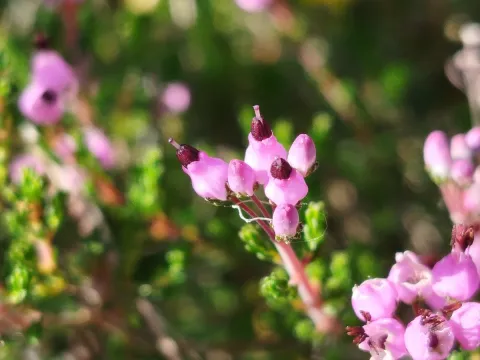
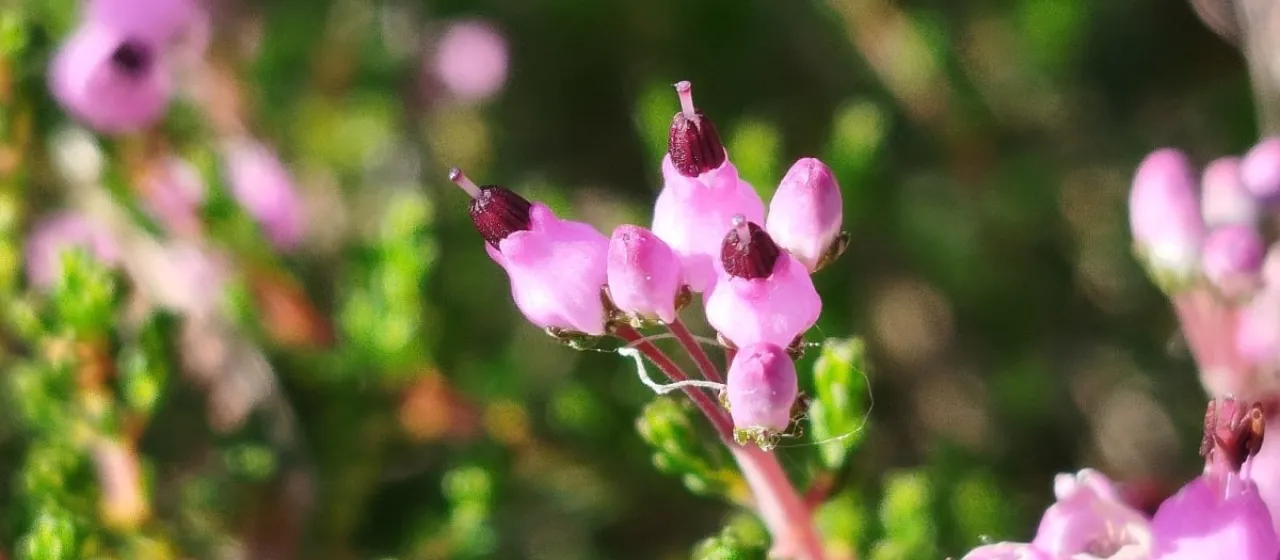
Erica umbellata, commonly known as the umbrella heath, is an evergreen shrub belonging to the Ericaceae family. This species is highly valued for its compact growth habit and its striking, bright pink-purple flowers that bloom in clusters during the spring and early summer.
The plant originates from the southwestern part of Europe and parts of North Africa. It is naturally adapted to Mediterranean-type climates, thriving in areas with mild winters and sunny, well-ventilated conditions. It is frequently found in rocky, nutrient-poor landscapes where it can establish itself on acidic substrates.
Botanically, Erica umbellata features needle-like, dark green foliage that remains attractive throughout the year. The flowers are arranged in umbrella-like racemes, which are the distinguishing characteristic of this specific species, giving it a unique appearance compared to other heathers.
Cultivation requires strict adherence to soil conditions, specifically a well-drained, acidic soil profile. In agricultural and horticultural practice, it is recommended to avoid heavy clay or limestone-rich soils, as the plant is calcifuge and prone to chlorosis when pH levels are too high.
Maintenance tasks include periodic pruning after the flowering season to prevent the plants from becoming leggy and to encourage bushier growth. Watering should be consistent, using soft or rainwater to prevent lime buildup, and applying mulch with pine needles or bark helps maintain root temperature and soil moisture.
Regarding common issues, the plant is susceptible to fungal infections such as Phytophthora, usually triggered by poor drainage or excessive humidity around the root crown. Pests such as scale insects or spider mites may occasionally occur, requiring integrated pest management strategies to ensure plant health.
Photo gallery