Alpine fleabane
Erigeron alpinus
Description
Alpine fleabane (Erigeron alpinus) is a perennial herbaceous plant belonging to the Asteraceae family. This species is highly valued in horticulture for its compact growth habit and natural resistance to the harsh climatic conditions typical of alpine environments, making it an excellent choice for rock gardens and cold-climate landscapes.
The plant originates from the mountainous regions of Europe and Asia. In its native habitat, it thrives in subalpine meadows, rocky slopes, and scree, which dictates its preference for well-aerated substrates and cool temperatures throughout the growing cycle.
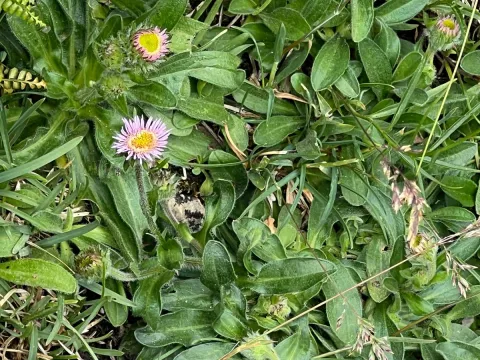
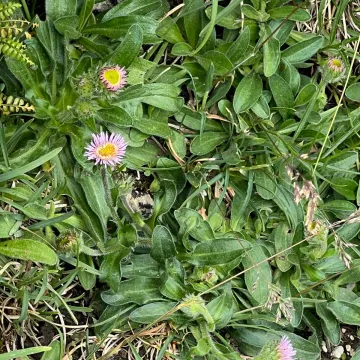
Botanically, the plant features a basal rosette of leaves and upright stems growing up to 30 centimeters in height. The inflorescences consist of small, daisy-like flower heads with purple or lilac ray florets and a yellow central disc, providing a vibrant display during the peak summer months.
Cultivation requirements focus primarily on soil structure and moisture management. Alpine fleabane demands sandy, gritty, or rocky soils with excellent drainage to prevent crown rot. It prefers full sun to partial shade, and while it is tolerant of nutrient-poor soils, it benefits from moderate moisture during the initial establishment period.
Regarding pest and disease control, the species is relatively robust but can be susceptible to aphids during periods of high humidity. Common fungal pathogens include powdery mildew and various root rot issues, which are primarily prevented by ensuring proper air circulation and avoiding overhead watering in poorly drained areas.
Photo gallery