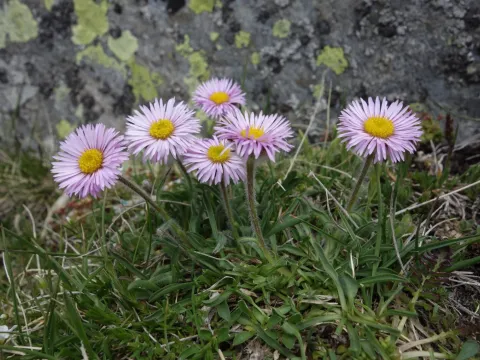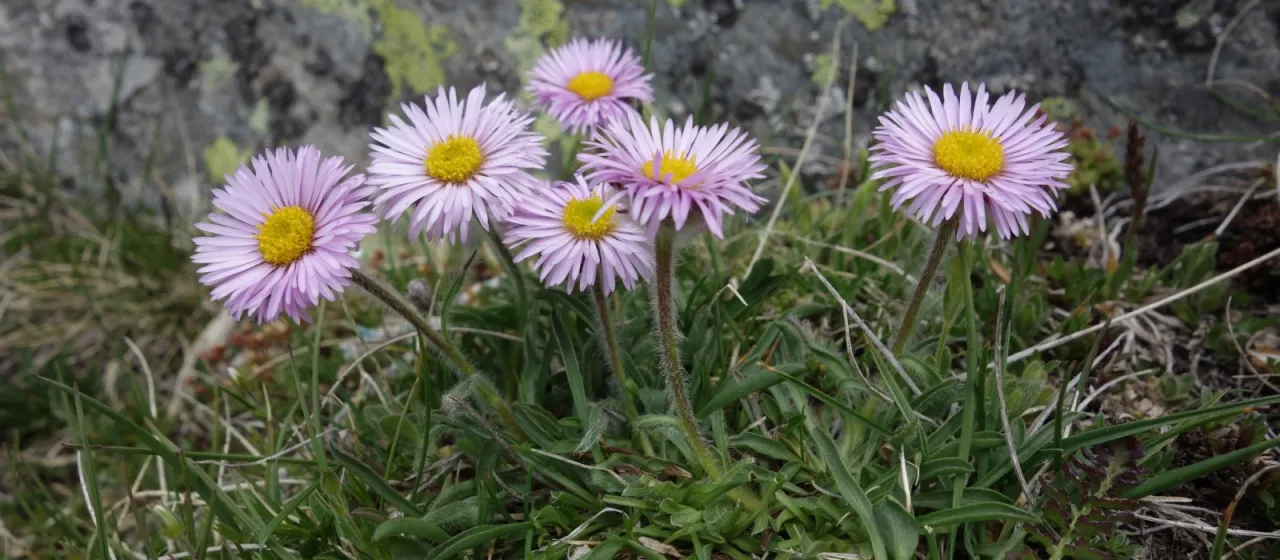
Description
Aragon fleabane (Erigeron aragonensis) is a perennial herbaceous plant belonging to the Asteraceae family. While it is not a large-scale agricultural commodity, it is highly regarded in horticulture and botanical research as a specialized crop for rock gardens and alpine plant collections.
Originating from the mountainous regions of Spain, particularly the Aragon area, the species is perfectly adapted to harsh, high-altitude climates. Its natural habitat is defined by rocky soils and fluctuating temperatures, which makes it a hardy candidate for specific landscape projects.
Botanically, the plant is characterized by a low-growing habit with a dense basal rosette of foliage. The floral display consists of small, daisy-like flower heads, which are typical for the genus Erigeron. The foliage is often pubescent, serving as a protective mechanism against intense sun and high wind speeds.
The cultivation requirements are strict, focusing on mimicking its native environment. The soil must be exceptionally well-draining, preferably alkaline or neutral. Irrigation needs are low; excessive moisture around the root zone is the most common cause of failure in cultivation. It thrives in open, sunny locations with constant air circulation.
From a phytosanitary perspective, Aragon fleabane requires vigilance against common alpine pests and diseases. Root rot and fungal blights, often caused by poor drainage, are the primary threats. Pests such as aphids may congregate on the flower stems, while mites can damage the foliage if environmental conditions become too dry or stagnant.
Photo gallery