Description
Atticus fleabane (Erigeron atticus) is a perennial herbaceous plant belonging to the Asteraceae family. Known for its resilience and aesthetic appeal, this plant is increasingly recognized in horticulture as a reliable decorative species suitable for various landscape applications, ranging from rock gardens to borders.
The plant originates from the mountainous regions of Europe, specifically adapting to the harsh conditions of alpine and subalpine zones. This wild heritage defines its high resistance to cold and ability to thrive in poor, stony soils where nutrients are scarce, making it a low-maintenance choice for professional and amateur gardeners.
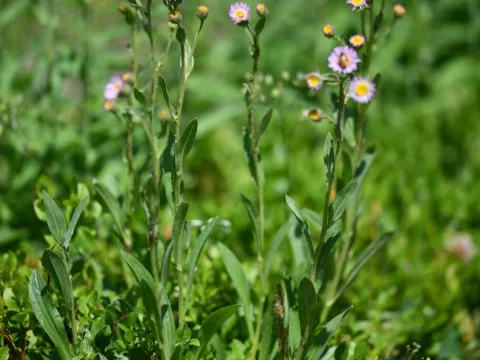
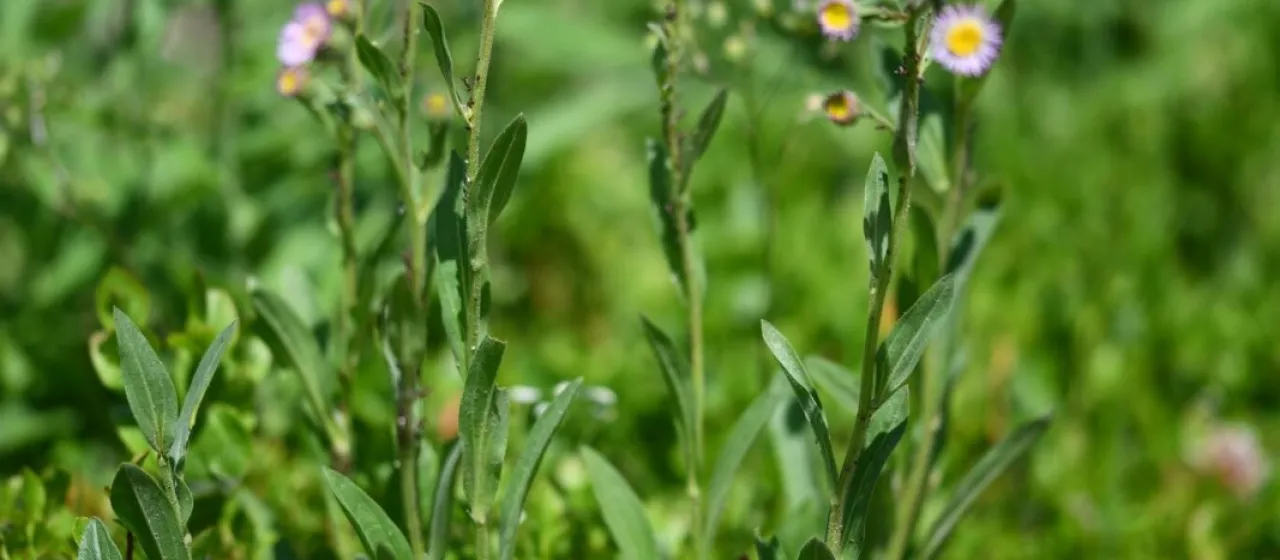
Botanically, Erigeron atticus grows as a compact rosette of lanceolate, slightly pubescent leaves. It produces striking daisy-like flower heads with intense purple or violet ray florets surrounding a yellow disk. This floral display typically occurs during the late spring and early summer, providing a vibrant contrast to the foliage.
Agronomic success depends on providing a well-drained substrate, as the plant is highly sensitive to waterlogging. It thrives best in full sun or light shade. Soil fertility does not need to be high; rather, the focus should be on the mechanical structure of the soil to ensure adequate drainage, which mimics its natural habitat.
- Excellent winter hardiness in temperate climates.
- Requires minimal supplemental irrigation once established.
- Benefits from being divided every few years to maintain vigor.
- Well-suited for xeriscaping due to drought tolerance.
While relatively robust, the plant is susceptible to common pests such as aphids and fungal issues like powdery mildew, especially if planted in overcrowded conditions with poor air circulation. Regular inspection and avoiding overhead watering are the primary control measures for maintaining a healthy stand of these perennial flowers.
Photo gallery