
Spreading fleabane
Erigeron divergens
Description
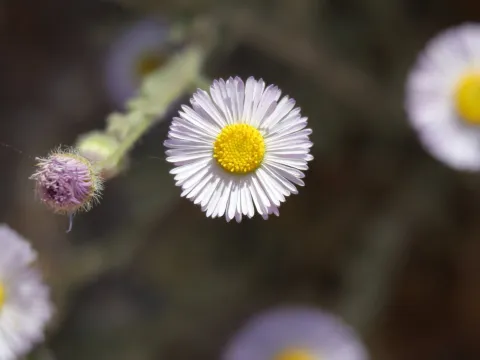
Spreading fleabane (Erigeron divergens) is a herbaceous plant belonging to the Asteraceae family. Often recognized for its presence in meadows and disturbed soils across Western North America, it acts as a hardy perennial or biennial. In the agricultural sector, it is generally treated as a weed, yet it remains a significant subject of study for its ecological resilience and role in supporting local pollinator populations.
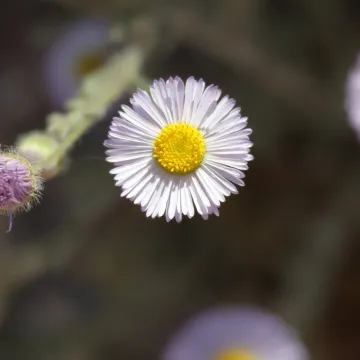
The botanical structure of the plant is characterized by its branching stems that can grow up to 60 centimeters in height. The foliage is typically pubescent, covered in fine hairs that help reduce transpiration. The plant produces daisy-like flower heads with ray florets that range from white to lavender. These structures are designed for effective wind and insect-assisted pollination, ensuring the plant's wide distribution.
Regarding its habitat, this species originates from the diverse terrains of North America, ranging from arid plains to mountainous slopes. It thrives in well-drained, sandy, or rocky soils, demonstrating a high tolerance for drought and nutrient-poor conditions. Its ability to colonize disturbed areas makes it a common sight on roadsides and in fallow agricultural lands.
From an agronomic perspective, there are no specific cultivation protocols as it is not a commercially grown crop. Management strategies focus on weed control, primarily through mechanical tillage before the flowering stage to prevent seed dispersal. Herbicidal treatments for this species generally follow the standards set for other members of the Asteraceae family, though its hardiness requires vigilant monitoring during the early stages of growth.
The primary utility of the plant lies in its ecological contribution. It serves as a vital resource for various insect species, including bees and butterflies, which are essential for the pollination of surrounding crops. While not a commercial harvest, its presence in field margins can be utilized as a biological indicator of soil condition and land management practices.
- High drought tolerance
- Aggressive colonization of open habitats
- Essential food source for pollinators
- Adaptation to various soil textures
Photo gallery