Epirus fleabane
Erigeron epiroticus
Description
Epirus fleabane (Latin Erigeron epiroticus) is a perennial herbaceous plant belonging to the Asteraceae family. While many species within the Erigeron genus are recognized for their resilience, this particular species is notable for its specific ecological requirements and adaptation to mountainous environments, making it a subject of interest for specialized botanical cultivation.
The origin of the plant is traced back to the mountainous regions of the Balkan Peninsula, specifically Epirus. Its native range is characterized by rocky slopes and subalpine meadows, where the plant thrives in thin, mineral-rich soils. This geographical background dictates its high level of endurance against temperature fluctuations and limited nutrient availability.
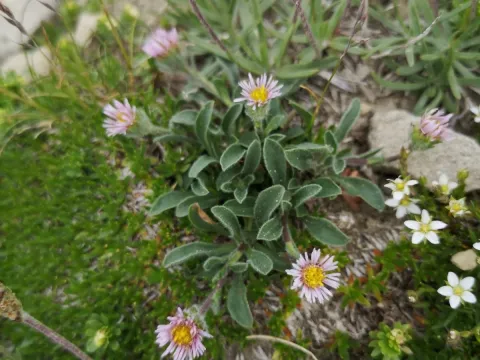
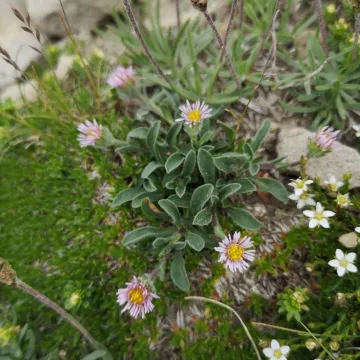
Botanically, Erigeron epiroticus is defined by its low-growing habit, featuring a dense basal rosette of leaves and short, upright flower stems. The small, daisy-like flower heads are representative of the Asteraceae family. This compact structure serves as an evolutionary advantage, protecting the plant from the intense winds common in its native high-altitude habitats.
Agricultural success with this species depends on replicating its native growing environment. It requires well-draining, gritty, or sandy soil and full sun exposure. Over-watering is the most common cause of failure in cultivation; therefore, ensuring optimal drainage is the primary requirement in its agrotechnical management. Nutrient levels should be kept low to avoid forced, weak growth.
The main practical use of Epirus fleabane is within rock gardens and xeriscaping, where its hardiness makes it a reliable choice for sustainable landscape design. Disease management focuses primarily on preventing fungal issues, such as root rot, which occur in waterlogged conditions. Pests such as aphids may occasionally impact the plant, requiring standard monitoring and integrated pest management practices.
Photo gallery