
Cold fleabane
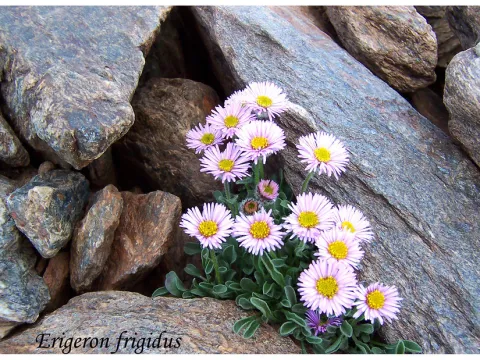
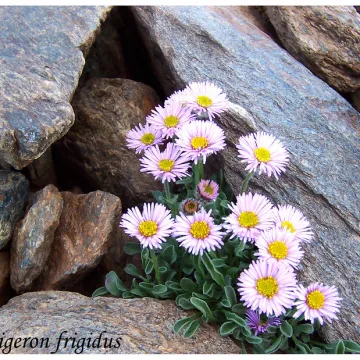
Erigeron frigidus
Description
Cold fleabane (Latin Erigeron frigidus) is a perennial herbaceous plant belonging to the Asteraceae family. In an agricultural context, this species is recognized as a hardy crop characterized by its unique ability to thrive in harsh, high-altitude environments where standard crops often fail.
The plant originates from mountainous regions, primarily within North America. Its natural habitat includes rocky slopes and subalpine meadows, which has dictated the species' adaptation to poor soil quality and significant temperature fluctuations, typical of alpine ecosystems.
Botanically, cold fleabane is characterized by its compact growth habit and strong taproot, which allows the plant to access moisture and nutrients in nutrient-poor environments. The foliage is typically arranged in a basal rosette, while the inflorescences consist of small, distinct flower heads that are highly resilient to wind and low temperatures.
Effective cultivation requires strict adherence to agrotechnical practices. The plant demands well-drained, porous soils; it is highly susceptible to root diseases if waterlogging occurs. Providing sufficient light exposure is critical for healthy development, as shading often leads to stunted growth and reduced vigor.
In terms of economic use, cold fleabane is primarily cultivated in specialty horticulture and alpine rock garden design. While not a large-scale commercial crop, its extreme cold tolerance and unique morphology make it a valuable asset for breeders working to develop resilient decorative varieties for high-latitude gardening.
- Requires well-drained, grit-heavy soil.
- High tolerance to frost and poor nutrient conditions.
- Maintenance requires minimal irrigation once established.
Photo gallery