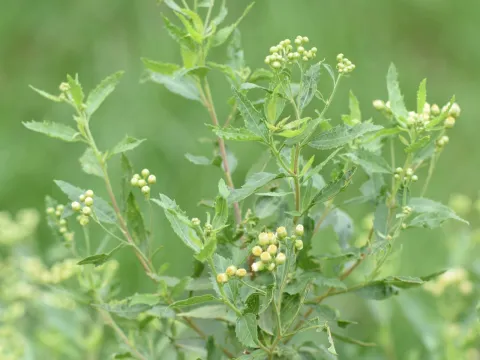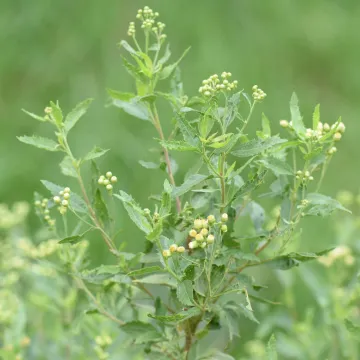
Ivy-leaved fleabane
Erigeron ivifolius
Description
Ivy-leaved fleabane (Erigeron ivifolius) is a herbaceous perennial plant belonging to the large Asteraceae family. It is recognized for its unique foliage, which resembles ivy leaves, and its ability to thrive in varied environmental conditions, making it a functional choice for both aesthetic landscaping and soil stabilization projects.
The native range of this species is centered in the Mediterranean basin and adjacent regions. It is well-adapted to Mediterranean-type climates, characterized by hot, dry summers and mild, wet winters. As an agricultural and ornamental subject, it demonstrates remarkable resilience to environmental stressors, including high solar radiation and low moisture availability, which are key traits for successful xeriscaping.
Botanically, the plant grows as a subshrub, characterized by branched, pubescent stems and serrated leaves. It produces small, daisy-like flower heads that typically bloom from mid-spring through late summer. The plant's morphology allows it to develop a spreading habit, which is highly beneficial for covering bare soil patches and suppressing weeds naturally.
Agronomic requirements for Erigeron ivifolius involve providing a site with excellent drainage and full sun exposure. It is highly intolerant of waterlogged soils, which can lead to root degradation. Light, well-draining loamy or sandy soils are optimal for its development. Once established, the plant requires minimal supplementary irrigation and is generally low-maintenance, requiring only occasional pruning to maintain its compact form.
In terms of usage, the ivy-leaved fleabane serves as an excellent groundcover in rock gardens, slopes, and low-water landscapes. Its deep root system contributes to soil erosion control in unstable areas. While the species is largely pest-resistant due to the presence of secondary metabolites, it should be monitored for fungal issues such as powdery mildew in areas with high humidity, ensuring adequate spacing between plants remains a primary preventative measure.
Photo gallery