Description
Robin's plantain (Erigeron pulchellus) is a perennial herbaceous plant belonging to the Asteraceae family. This species is widely recognized in horticultural practice for its early flowering period and its ability to thrive in diverse garden settings, serving as both a ground cover and an ornamental highlight in temperate climates.
Native to North America, the species is found across various habitats, including woodlands, meadows, and riverbanks. The plant is noted for its spreading habit, facilitated by the production of stolons that allow it to colonize areas effectively. Its geographical distribution makes it a resilient choice for native plant gardens that require species adapted to fluctuating environmental conditions.
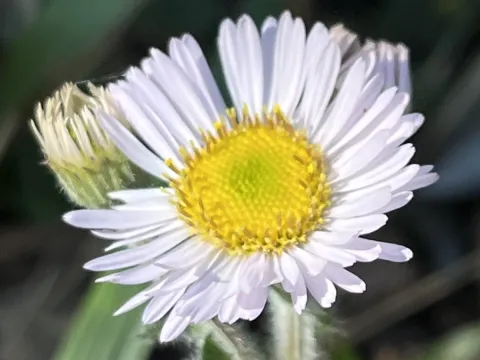
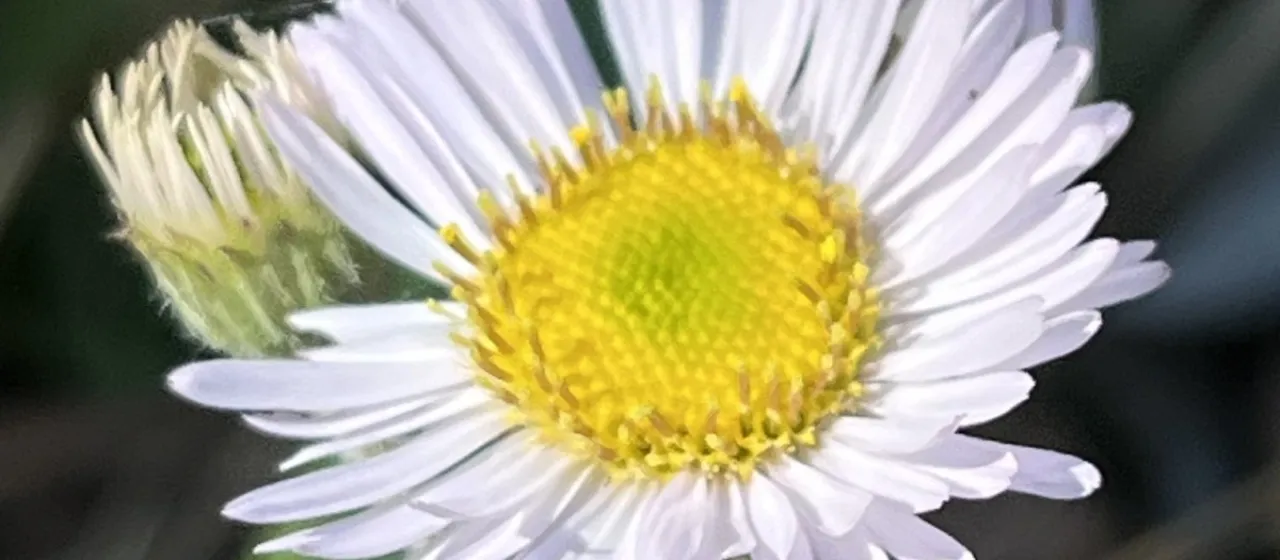
Botanically, Erigeron pulchellus is characterized by a basal rosette of soft, hairy leaves. The flower stalks grow to a moderate height, typically bearing lavender to bluish-white ray florets surrounding a vibrant yellow disk. This structure is highly specialized for attracting pollinators such as solitary bees and syrphid flies, which play a crucial role in local ecosystem health.
The cultivation of this crop requires attention to soil moisture and light exposure. It performs best in partial shade, mimicking its natural woodland habitat, although it can tolerate varying degrees of sunlight provided the soil remains consistently moist. Well-drained, nutrient-rich soils with a slightly acidic profile are ideal for promoting healthy leaf growth and abundant flower production.
Hosticultural applications for this species include:
- Landscaping in naturalized garden settings.
- Utilizing the plant as a ground cover to prevent soil erosion on gentle slopes.
- Integration into borders to provide early-season color.
- Serving as a nectar source for beneficial insects and pollinators.
Regarding plant health, the crop is generally hardy but susceptible to powdery mildew when planted in stagnant, humid air conditions. Pests such as aphids may occasionally congregate on the tender buds. To maintain vigorous growth, growers should ensure proper spacing to facilitate airflow and avoid overhead irrigation during the late afternoon to prevent moisture-related fungal pathogen development.
Photo gallery