Thunberg's fleabane
Erigeron thunbergii
Description
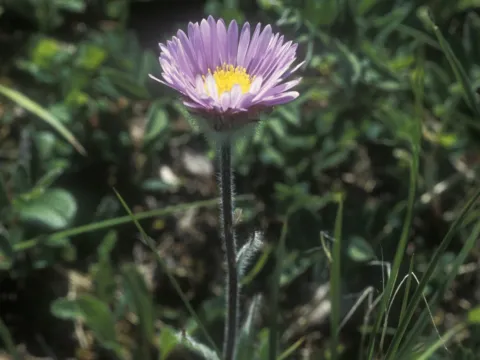
Thunberg's fleabane (Erigeron thunbergii) is a charming perennial flowering plant belonging to the Asteraceae family. It is widely recognized in horticultural circles for its aesthetic appeal and its ability to bring vibrant color to perennial borders during the summer months.
This species is native to the temperate regions of East Asia, primarily originating from Japan and parts of the Korean Peninsula. In its natural habitat, it thrives in meadows and on mountain slopes, demonstrating a high degree of adaptability to varied soil types and environmental conditions in garden settings.
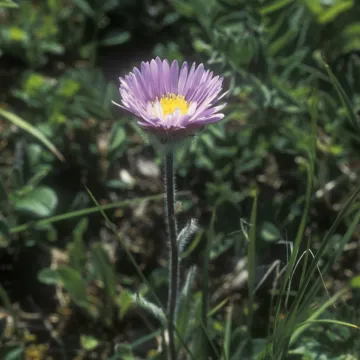
Botanically, it features a basal rosette of leaves and upright stems topped with single, daisy-like flower heads. The ray florets often exhibit attractive shades of lavender, violet, or white, surrounding a prominent yellow central disc. The plant typically reaches a height of 30 to 60 centimeters, forming neat clumps that are ideal for small and large gardens alike.
Regarding cultivation, Thunberg's fleabane prefers full sun exposure and well-draining soil. It is relatively drought-tolerant once established, but performs best with moderate moisture during the active growth phase. Key agricultural practices include:
- Regular deadheading to prolong the blooming season.
- Providing adequate space for air circulation to prevent foliage rot.
- Division of clumps every 3 to 4 years to maintain plant vigor.
Common plant health issues include susceptibility to powdery mildew in high-humidity environments and potential attacks by aphids. Gardeners are advised to monitor for these conditions and apply standard cultural controls or appropriate treatments to ensure optimal growth and appearance throughout the season.
Photo gallery