Description
Single-flower fleabane (Erigeron uniflorus) is a perennial herbaceous plant belonging to the Asteraceae family. Known for its distinct low-growth habit, it is highly regarded in horticulture as a specialized crop for rock gardens, simulating natural alpine environments.
The origin of the species is rooted in the arctic-alpine regions of the Northern Hemisphere. Its natural distribution includes rocky slopes, alpine tundras, and mountainous terrains in Europe, Asia, and North America. While not an agricultural commodity in the traditional sense, it is widely propagated for specialized botanical and landscape projects.
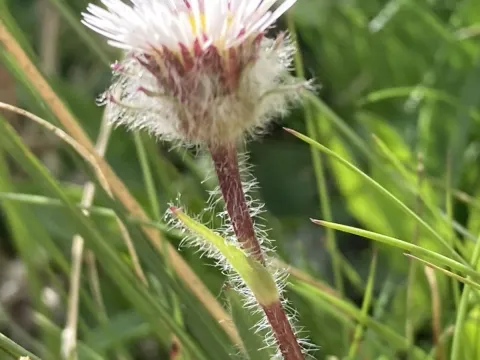
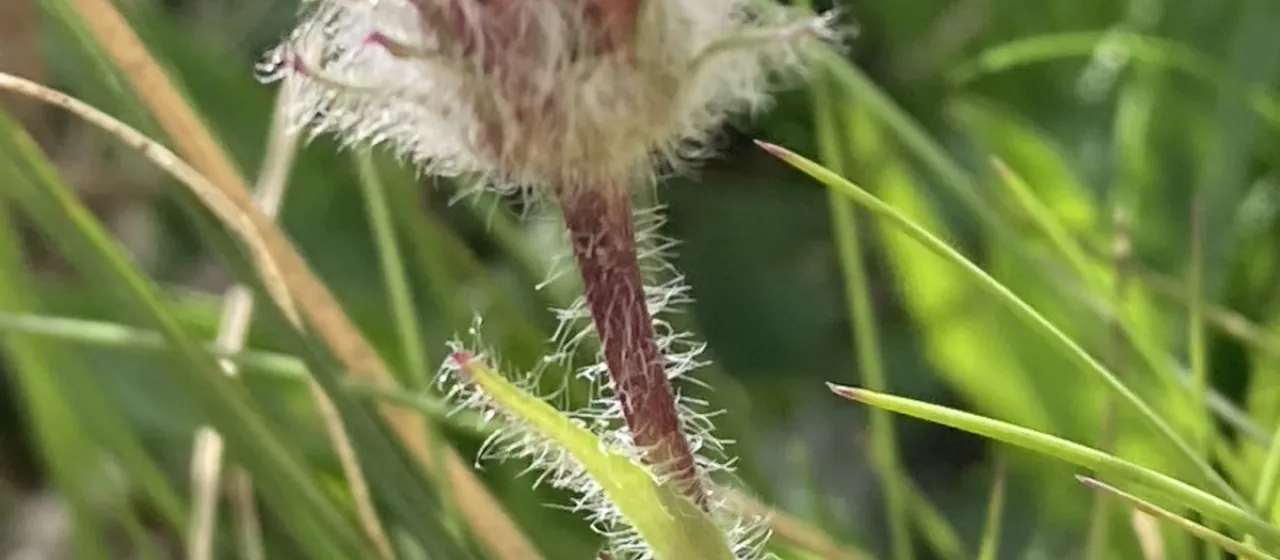
Botanically, the plant is characterized by a compact rosette of leaves and a single capitulum (flower head) per stem, usually rising no more than 15 centimeters. The foliage is typically pubescent, an evolutionary adaptation that assists in water retention and temperature regulation in harsh, high-altitude climates.
Cultural requirements are strict, focusing on light intensity and soil permeability. The crop demands well-drained, nutrient-poor, rocky substrates with a neutral pH level. Effective cultivation requires consistent exposure to direct sunlight and careful management of soil moisture, as waterlogging is a primary factor leading to root failure.
The primary use of this species is decorative, particularly in alpine plant collections and rock garden design. Common health issues often stem from improper site selection: excessive humidity can trigger powdery mildew, while stagnant soil conditions frequently lead to root rot. Maintaining an environment with high air circulation is the best preventive measure against pests and diseases.
Photo gallery