
Erinus alpinus
Erinus alpinus L.
Description
Erinus alpinus, commonly known as fairy foxglove, is a charming perennial herbaceous plant belonging to the Plantaginaceae family. It is a highly valued ornamental crop, particularly suitable for rock gardens due to its compact habit and prolific flowering display in late spring and early summer.
The native range of this species covers the mountain regions of Central and Southern Europe, including the Alps and Pyrenees. Growing naturally in rocky crevices and alpine meadows, the plant has evolved to thrive in environments with excellent drainage and relatively poor, rocky soil conditions.
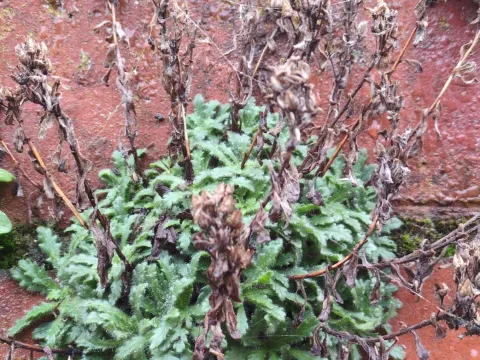
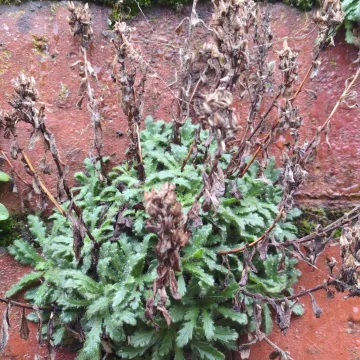
Botanically, Erinus alpinus develops into low-growing rosettes of spathulate, slightly toothed leaves. It produces erect, slender flower stalks reaching heights of 5–15 cm, topped with racemes of small, five-petaled flowers. While the most common color is magenta-pink, cultivars in white or deep purple are also available.
Cultivation requirements focus on providing a sunny or partial shade location and a well-draining substrate. It performs best in soils with a slightly alkaline pH, typical of limestone regions. Agrotechnical management involves maintaining moderate soil moisture without allowing waterlogging, which is critical for root health, and preventing overcrowding by weeds.
The main applications for this plant in horticulture include:
- Rock gardens and alpine wall crevices.
- Edging for gravel paths or raised beds.
- Ground cover in small, sunny landscape spots.
Erinus alpinus is generally considered robust and low-maintenance. However, it can be susceptible to root rots if soil drainage is insufficient. Slugs and snails are the most significant potential pests, often feeding on the succulent foliage. Monitoring during damp conditions is recommended to protect the integrity and aesthetic appeal of the plantings.
Photo gallery