Description
The bronze loquat (Eriobotrya deflexa) is an evergreen tree or large shrub that belongs to the Rosaceae family. Often referred to as the Taiwan loquat, this species is highly valued for its striking appearance rather than fruit production. It provides a distinct aesthetic appeal to tropical and subtropical landscapes thanks to its dense, symmetrical growth and glossy foliage.
The plant is native to the subtropical regions of Taiwan and Southern China. In its wild habitat, it is typically found in evergreen broad-leaved forests at moderate altitudes. Due to its adaptability and ornamental value, it has been introduced to various warm-climate regions globally, where it serves as a prominent feature in garden designs and urban landscaping.
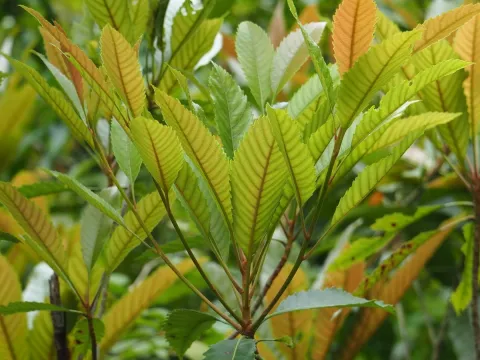
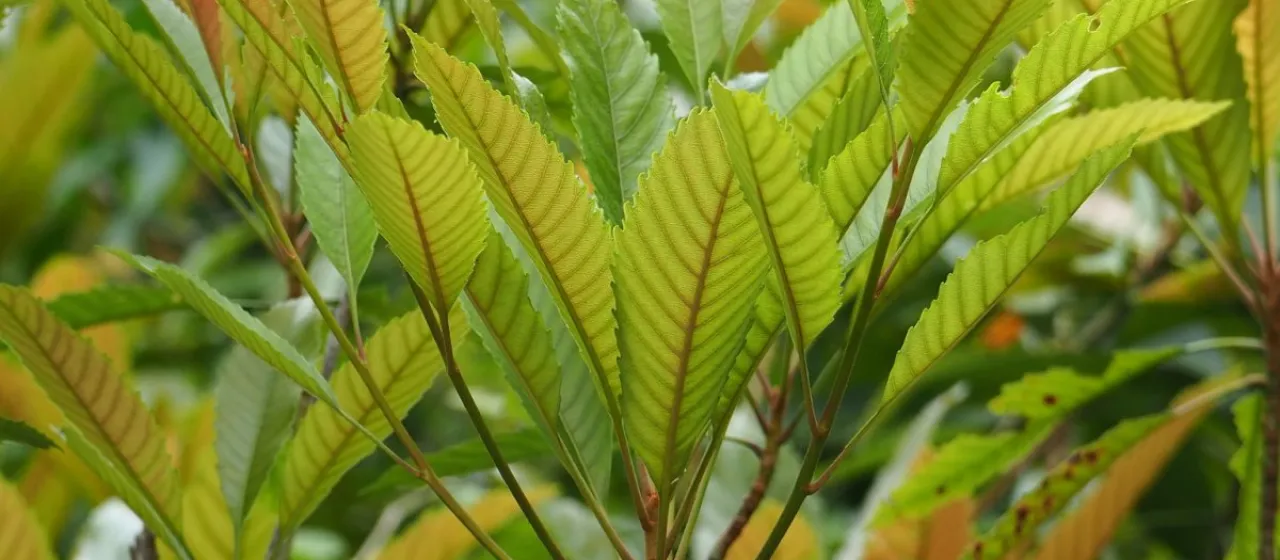
Botanically, the bronze loquat is characterized by its evergreen, leathery leaves that transition from a vibrant copper-red color when young to a deep, dark green upon maturation. The plant produces terminal panicles of fragrant, white flowers that bloom in the spring. These are followed by small, roundish fruit that are technically edible but typically ignored in favor of the more popular Japanese loquat.
To ensure healthy growth, the bronze loquat requires a location with full sun to partial shade and protection from harsh, drying winds. It thrives in well-drained, nutrient-rich soil with a slightly acidic to neutral pH. Proper irrigation is crucial during the plant's establishment phase, and while it is somewhat drought-tolerant once mature, it performs best with consistent moisture.
Cultivation challenges are generally manageable if proper maintenance is provided. Key areas of concern include:
- Maintaining good soil drainage to prevent root diseases
- Monitoring for common pests such as aphids and scale insects
- Pruning to maintain crown shape and prevent overcrowding of branches
Photo gallery