Eriocaulon buergerianum
Eriocaulon buergerianum
Description
Eriocaulon buergerianum is a distinct perennial plant species belonging to the Eriocaulaceae family. Widely recognized for its aesthetic, tufted form, this species naturally inhabits wetlands, marshes, and riverbanks across East Asia. As an aquatic culture, it thrives in environments that provide consistent moisture and specific nutrient conditions for its specialized root system.
The native range of this plant includes several regions in East Asia, notably China, Japan, and parts of the Korean Peninsula. These regions provide the plant with the necessary subtropical climate characteristics, such as moderate rainfall and high humidity, which are essential for maintaining the health of the rosette structure throughout its lifecycle.
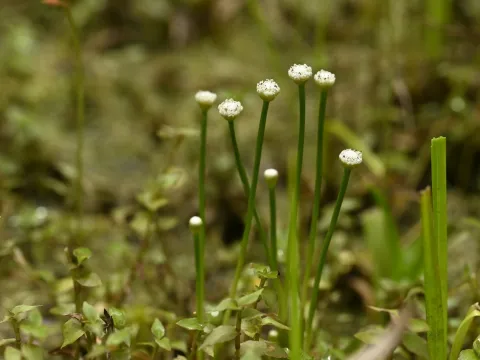
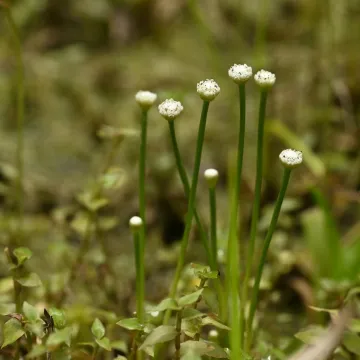
Botanically, Eriocaulon buergerianum is characterized by its compact rosette of narrow, rigid, and needle-like leaves. During its reproductive phase, it produces elongated scapes topped with spherical, white, button-like inflorescences. The root system is deep and expansive, designed to anchor the plant effectively in muddy or sandy substrates typical of its natural habitat.
Cultivation of this species in artificial settings requires meticulous control over environmental parameters. The plant demands soft, slightly acidic water and high-intensity lighting to maintain its compact appearance. Utilizing a nutrient-rich, permeable substrate is highly recommended, as it allows for optimal root development and provides the necessary minerals for consistent growth.
- Water pH level: 6.0–6.8.
- Lighting requirements: Moderate to high intensity.
- Substrate: Fine-grained, nutrient-rich soil.
- Carbon dioxide: Essential for healthy growth in aquarium setups.
In terms of agricultural and horticultural use, the plant is primarily a high-demand item in the world of aquascaping and botanic displays. It is valued for its unique texture and visual prominence in freshwater aquarium designs. While generally hardy, the plant may suffer from leaf decay if nitrate levels fluctuate significantly, necessitating a stable and balanced aquatic environment.
Photo gallery