Eriocaulon cinereum
Eriocaulon cinereum
Description
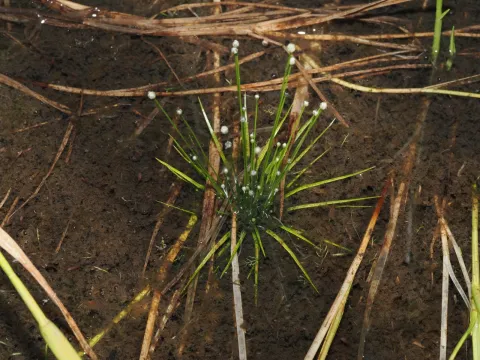
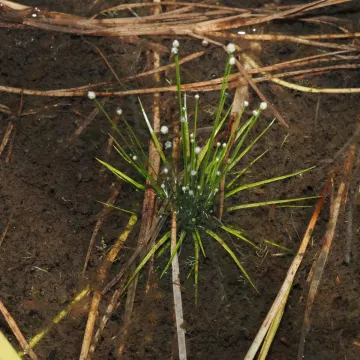
Eriocaulon cinereum is a perennial herbaceous plant belonging to the Eriocaulaceae family. In the context of aquatic horticulture, it is highly valued by aquascapers for its distinct, spherical, and compact growth habit, which adds a refined texture to the foreground of tropical aquarium layouts.
The plant originates from tropical and subtropical regions of Asia, including China, Japan, and parts of Southeast Asia. In its natural habitat, it is commonly found in wetlands, marshy areas, and irrigation ditches, where it thrives in acidic, nutrient-rich soils that remain consistently saturated with water.
Botanically, it forms a dense, radial rosette of thin, needle-like leaves. When the plant reaches maturity and environmental conditions are favorable, it produces scapes topped with small, whitish, button-like flower heads. The root system is quite extensive for the plant's size, allowing it to draw nutrients effectively from the substrate, which is a critical adaptation for its survival.
Cultivation of Eriocaulon cinereum requires specialized knowledge of aquatic plant nutrition. Key success factors include:
- Low carbonate hardness (kH) water to prevent physiological stress;
- Consistent injection of CO2 for photosynthesis;
- High-intensity lighting to maintain its compact morphology;
- Acidic, nutrient-rich aquarium soil (aquasoil) maintained at 22-28 degrees Celsius.
The primary commercial use of Eriocaulon cinereum is within the aquarium hobby industry, where it is treated as a demanding and highly desirable species. While it is rarely affected by traditional agricultural pests, it can suffer from "melting" or stunted growth if the mineral balance in the water column or substrate is not precisely maintained. Maintaining stable nitrogen and iron levels is essential for long-term health.
Photo gallery