Description
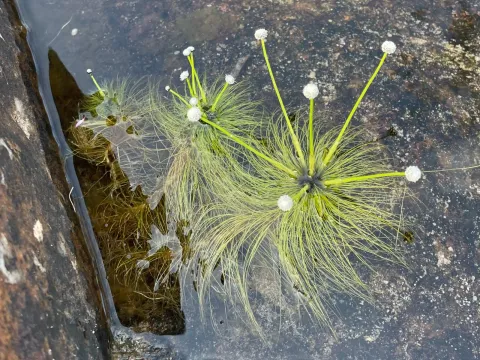
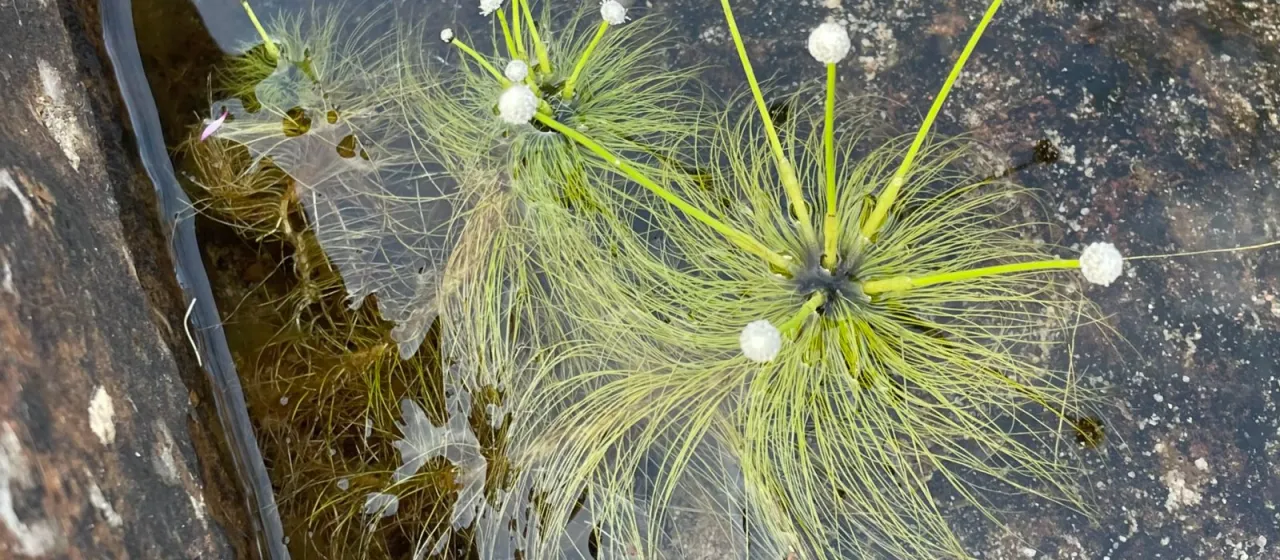
Eriocaulon equisetoides is a rare and highly sought-after aquatic perennial belonging to the Eriocaulaceae family. Recognized for its unique growth pattern, this species features foliage that closely resembles the appearance of horsetails (Equisetum), which gives the plant its distinctive aesthetic appeal in botanical and aquarium collections.
The plant originates from tropical and subtropical regions of Asia, where it thrives in wetlands, marshy areas, and along the shallow banks of freshwater bodies. It has evolved to adapt to fluctuating water levels, making it a hardy species in its native, nutrient-poor, and acidic aquatic environments.
Botanically, Eriocaulon equisetoides is defined by its thin, grass-like, and rigid leaves that form a compact rosette or tufted habit. Its structure allows it to absorb nutrients primarily through its root system in the substrate, while also utilizing dissolved gases from the water column. The reproductive parts consist of small, button-like inflorescences produced on long stalks, which are characteristic of all species within the Eriocaulon genus.
Cultivation requires meticulous attention to environmental parameters. The plant demands soft, slightly acidic water with a pH range between 6.0 and 6.8. A nutrient-rich, fine-grained, and permeable substrate is essential for root health. Furthermore, high-intensity lighting and a consistent supply of carbon dioxide (CO2) are mandatory to maintain growth rates and prevent the plant from shedding its lower foliage.
This species is predominantly used in professional aquascaping and specialized botanical displays. Due to its slow growth and specific requirements, it is considered a challenging species to maintain for beginners. Key challenges and potential issues include:
- Algal encroachment due to poor CO2 management or imbalanced lighting.
- Root rot caused by stagnant water or excessively compact soil media.
- Nutrient deficiencies, particularly trace element imbalances leading to chlorosis.
- Sensitivity to high mineral concentrations (TDS) which can inhibit growth.
Photo gallery