Eriocaulon formosanum
Eriocaulon formosanum
Description
Eriocaulon formosanum is a perennial aquatic herbaceous plant belonging to the Eriocaulaceae family. As a specialized hydrophyte, it is highly sought after by enthusiasts for its unique morphology and distinct rosette structure, which makes it a standout specimen in professional aquatic displays.
The species originates from Taiwan, where it is found in specific ecological niches, such as shallow freshwater streams and wetlands. It prefers environments with soft, slightly acidic water and thrives in nutrient-rich sediments that provide the necessary minerals for its slow but steady growth cycle.
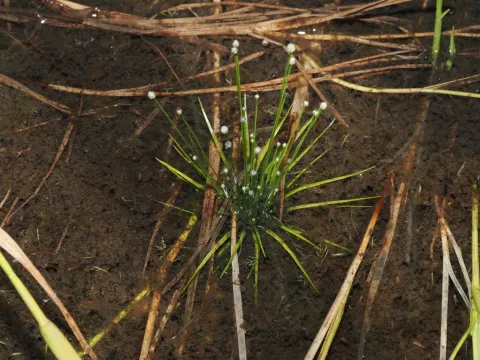
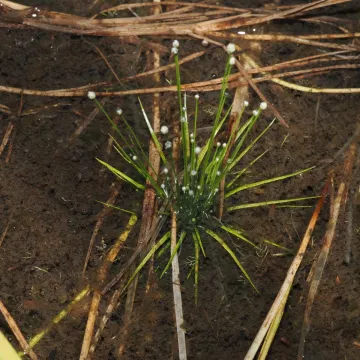
Botanically, it features a cluster of rigid, needle-like leaves radiating from a compact central stem. This structural density is an evolutionary adaptation designed to provide stability in running water while maximizing surface area for nutrient absorption. The root system is delicate and plays a critical role in the plant's overall health and stability.
Cultivation requirements for this plant are demanding. It requires high-intensity lighting, soft water (low carbonate hardness), and a consistent supply of supplemental carbon dioxide. Additionally, the substrate must be nutrient-dense to support root development, as the plant relies heavily on substrate-based nutrition rather than water-column absorption.
In practice, Eriocaulon formosanum is utilized primarily as a foreground or mid-ground plant in high-end aquascaping. Successful maintenance involves careful monitoring of water quality to avoid common issues:
- Algae overgrowth, which can easily overtake the slow-growing leaves.
- Root decay, typically caused by improper substrate compaction or lack of oxygen.
- Yellowing of leaves, which often signals a deficiency in essential micronutrients like iron or potassium.
Photo gallery