Eriocaulon thwaitesii
Eriocaulon thwaitesii
Description
Eriocaulon thwaitesii is a perennial herbaceous plant belonging to the Eriocaulaceae family. It is a highly specialized aquatic and semi-aquatic plant that has gained popularity among botanical enthusiasts and aquascapers due to its dense, symmetrical rosette growth habit and unique aesthetic properties, setting it apart from standard agricultural crops.
Originating from the tropical regions of Southeast Asia, particularly Sri Lanka, the plant is naturally adapted to wetland environments. It thrives in humid conditions along the edges of tropical streams, marshes, and slow-moving water bodies. Its natural habitat is characterized by soft, nutrient-rich water and low-mineral substrates, which are critical for its survival in a controlled horticultural setting.
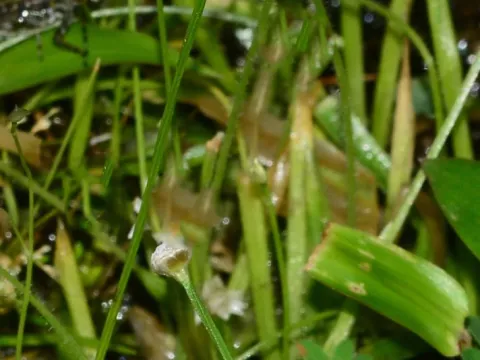
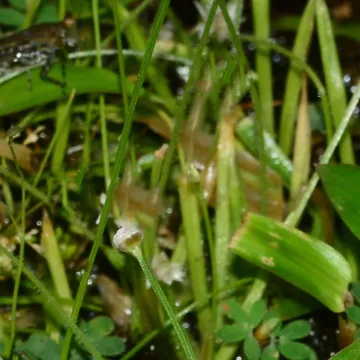
Botanically, the species is defined by its compact, linear leaves that form a tight rosette. The root system is delicate and functions primarily for anchorage and nutrient absorption from the substrate. Its reproductive structures are small, head-like inflorescences produced on slender stalks, which are a morphological hallmark of the Eriocaulaceae family and serve as the main identifiers of the species.
Cultivation requirements for this species are demanding, necessitating a stable tropical environment. Growers must ensure consistent temperatures between 22 and 28 degrees Celsius, high-intensity lighting, and CO2 supplementation. A crucial aspect of its care is the selection of an acidic, nutrient-rich, yet porous substrate, which prevents root suffocation and promotes steady metabolic growth.
In terms of хозяйственное usage, Eriocaulon thwaitesii is grown primarily for the decorative trade and professional aquarium displays. Production is usually handled in specialized greenhouses using hydroponic or high-tech aquatic systems to maintain pristine water parameters. Typical issues faced by growers include:
- Algal infestations on the leaves, blocking light absorption.
- Root rot caused by poor substrate circulation.
- Nutrient imbalances that lead to chlorosis or stunted leaf development.
Photo gallery