Description
Eriocaulon truncatum is a perennial aquatic herbaceous plant belonging to the Eriocaulaceae family. As an agricultural and ornamental crop, it is highly regarded in the specialized field of aquascaping. This species is known for its delicate appearance and demanding growth requirements, making it a prized specimen for professional aquatic plant cultivation.
The plant originates from the tropical and subtropical regions of Asia and Australia. In its natural habitat, it thrives in wetlands, marshy environments, and sometimes in cultivated rice fields. Due to its specific environmental preferences, cultivation outside of its natural range requires controlled greenhouse conditions or specialized aquatic systems that replicate its original soft-water, acidic, and high-light tropical environment.
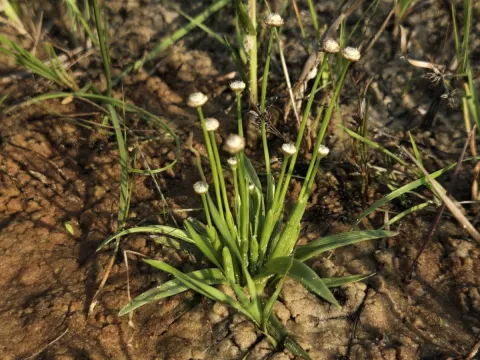
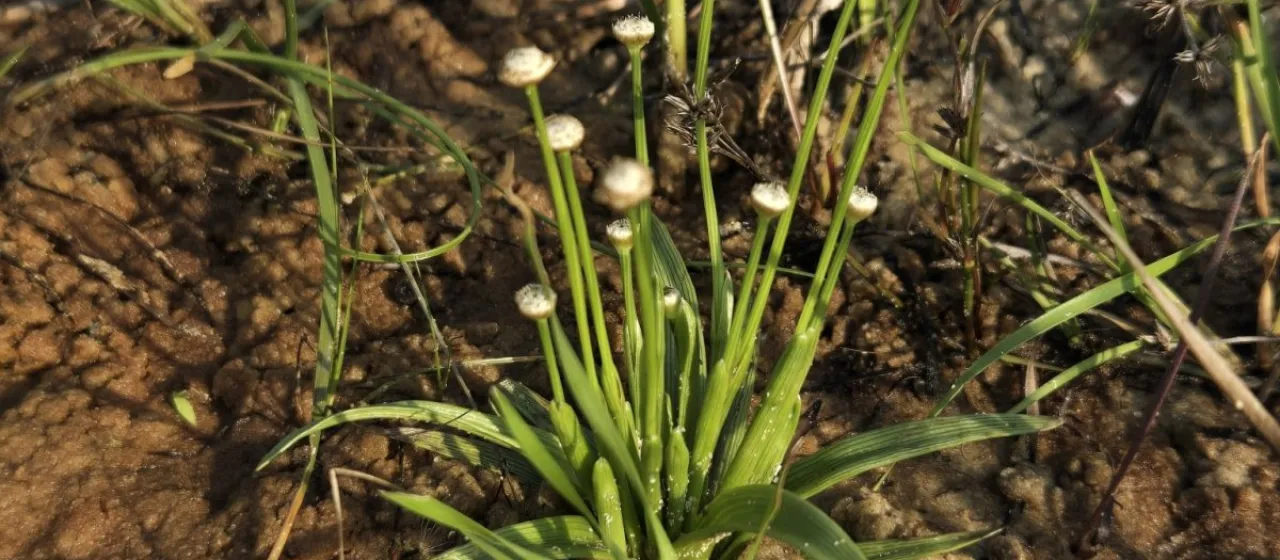
Botanically, Eriocaulon truncatum develops as a dense rosette of rigid, grass-like leaves rising from a central rootstock. It produces distinct globular inflorescences on slender stalks. The plant's root system is adapted to nutrient-rich, acidic soils. Providing a stable substrate that allows for deep root penetration is essential for maintaining the health and compact size of the rosette.
Agrotechnical management of this species involves strict regulation of hydrochemical parameters. It requires soft water, precise pH control, and a consistent supply of CO2 to support its metabolic processes. High-intensity lighting is crucial for photosynthesis and the healthy development of the plant's structure. Inadequate maintenance often leads to stunted growth or chlorosis of the leaves.
- Water temperature: 22–26°C.
- pH range: 6.0–6.8.
- CO2 injection: highly recommended.
- Substrate: nutrient-rich aquatic soil.
- Lighting: intense, full-spectrum.
The primary use of Eriocaulon truncatum is within the ornamental aquarium industry. Pests and diseases are usually secondary to poor cultivation conditions. Algae blooms, triggered by unbalanced nutrient levels or poor water circulation, are the most common issue. Effective disease management involves adjusting fertilization programs and optimizing the filtration system to keep the water environment pristine.
Photo gallery