Eriochloa polystachya
Eriochloa polystachya Kunth
Description
Eriochloa polystachya, commonly known as Caribbean cupgrass, is a perennial grass species belonging to the Poaceae family. This plant is recognized for its significant biomass production and high palatability, making it a valuable forage crop in tropical and subtropical regions across the globe.
The native range of this species is primarily the tropical regions of the Americas. Over time, it has spread to various humid environments globally, thriving in regions with high precipitation and warm climates. It is frequently found in wetlands, riverbanks, and areas prone to seasonal flooding.
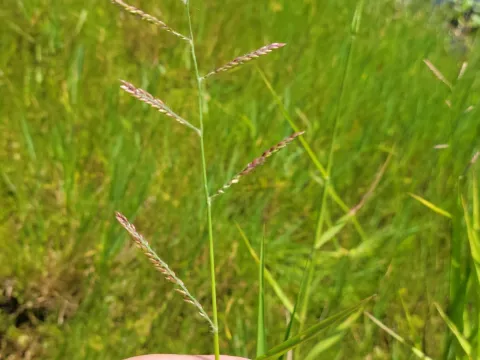
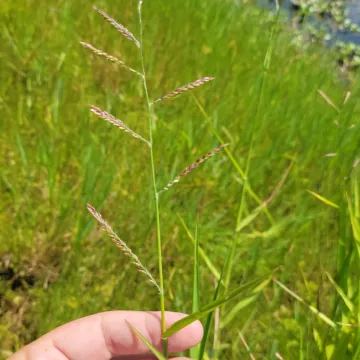
Botanically, this grass is characterized by robust, spreading stems and linear leaves. Its inflorescence is a panicle composed of numerous spikelets, which are typically covered in fine, silky hairs. This pubescence is a distinct diagnostic feature that differentiates it from other related grass species in the Eriochloa genus.
In terms of agricultural requirements, the crop demands high soil moisture and fertility. It is exceptionally tolerant of waterlogged conditions, which allows it to thrive in heavy soils where other grasses might suffer from root rot. The optimal growth performance is achieved in environments with high humidity and temperatures between 25°C and 30°C.
The agricultural application of this grass is largely focused on livestock support. Its primary uses include:
- Grazing pastures for cattle and small ruminants.
- Production of high-quality hay and silage for winter feed.
- Land stabilization and erosion control in swampy or riparian zones.
While relatively resilient, the crop can be susceptible to various fungal pathogens, especially under conditions of stagnant water or high humidity. Common pests include aphids and various grass-feeding larvae. Effective management involves regular mowing to stimulate new growth and maintain the health of the stand, reducing the risk of pest infestations.
Photo gallery