Description
Eriochloa procera, commonly known as a perennial grass species in the Poaceae family, is a significant forage plant utilized in tropical and subtropical agriculture. It is recognized for its impressive ability to provide high-quality green biomass, making it an essential component for livestock feed systems in its native range.
The plant originates from tropical regions across Asia and Australia. It naturally inhabits wetlands, riverbanks, and marshy grasslands. Due to its evolutionary adaptation to periodically inundated environments, it has become a preferred species for reclaiming wet agricultural areas that are otherwise unsuitable for traditional cereal cultivation.
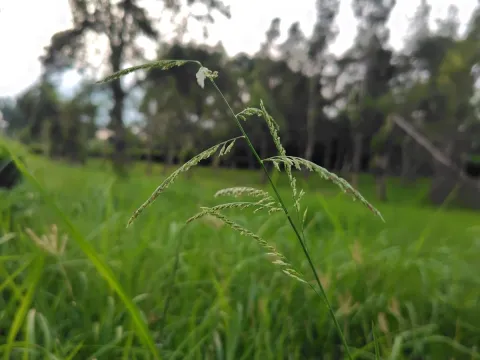
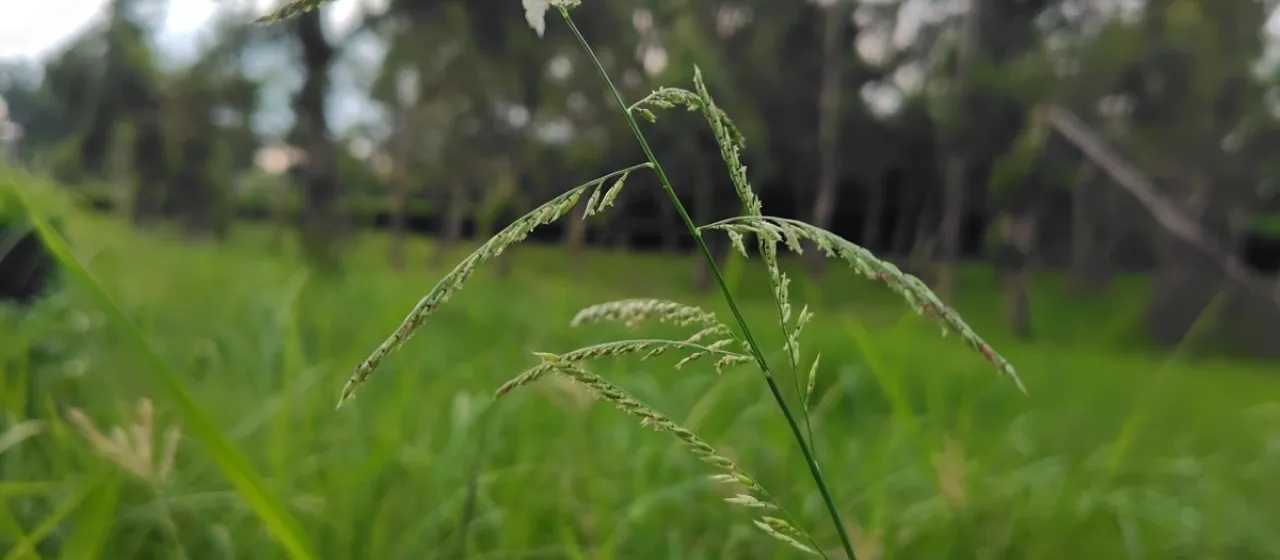
Botanically, this grass grows in tufts, reaching heights of 50 to 120 cm. Its leaves are narrow and flat, providing significant foliage. The inflorescence is a panicle of pubescent spikelets, which is a distinctive morphological trait of the genus Eriochloa, providing a unique aesthetic and functional structure to the plant.
In terms of agricultural requirements, the crop thrives in warm, humid climates with well-distributed rainfall. It prefers moist, fertile soils, such as alluvial silts or heavy clays. Proper management includes controlled grazing or harvesting intervals to ensure the nutritional value of the grass is maintained at its peak before senescence.
The economic value of this crop lies in its reliability as a pasture source and its ability to withstand flooding. While generally hardy, the crop can be susceptible to fungal pathogens if drainage is neglected. Proper field monitoring for leaf rust or sap-sucking insects is recommended to ensure sustainable yields in commercial fodder production.
Photo gallery