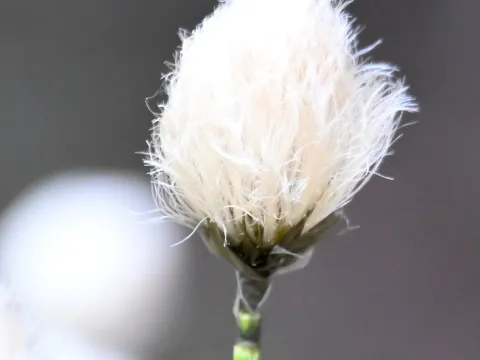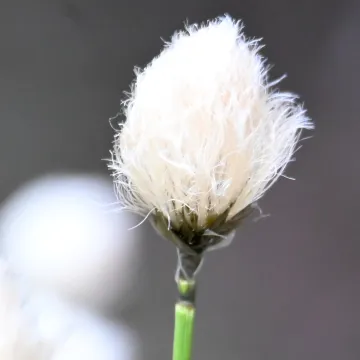
Eriophorum brachyantherum
Eriophorum brachyantherum
Description
Eriophorum brachyantherum, commonly known as a type of cottongrass, is a perennial herbaceous plant belonging to the sedge family, Cyperaceae. In an agricultural and ecological context, it is recognized for its ability to thrive in extreme moisture conditions, serving as a vital component in wetland stabilization and the restoration of peatland ecosystems.
The plant is native to the arctic and boreal regions of the Northern Hemisphere, extending across Eurasia and North America. It is typically found in boggy meadows, marshy depressions, and the fringes of tundra pools. Its natural range demonstrates its capacity to endure harsh winters and short, cool growing seasons, making it an ecologically significant species in northern latitudes.
Botanically, the species is characterized by its tufted growth form and distinct cotton-like inflorescences. After flowering, the bristles of the perianth elongate into white, silky threads, giving the plant its iconic appearance. The root system is fibrous and dense, which provides superior anchorage in unstable, waterlogged soils, playing a crucial role in preventing soil erosion.
Cultivation requirements focus on maintaining high soil moisture levels. The species is highly adapted to acidic, nutrient-poor substrates common in peatlands. Agricultural management is primarily aimed at moisture conservation and soil protection. It is not typically grown as a conventional feed crop, but rather as an essential species for environmental engineering and land rehabilitation projects.
The practical applications of Eriophorum brachyantherum include:
- Phytoremediation of contaminated wetlands and industrial water runoff.
- Restoration of peat bogs damaged by drainage or agricultural exploitation.
- Stabilization of riparian zones to prevent sediment transport.
- Landscape management for biodiversity enhancement in water-abundant areas.
Regarding health management, the plant is relatively resistant to environmental stress but can be susceptible to fungal infections during prolonged humid conditions. Pest pressure is minimal; however, generalist herbivores may occasionally browse the foliage. In most professional applications, management strategies rely on natural selection rather than chemical intervention, reflecting the species' adaptation to wild environments.
Photo gallery