Eriophorum chamissonis
Eriophorum chamissonis
Description
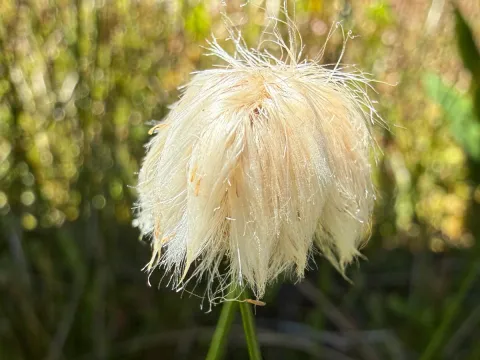
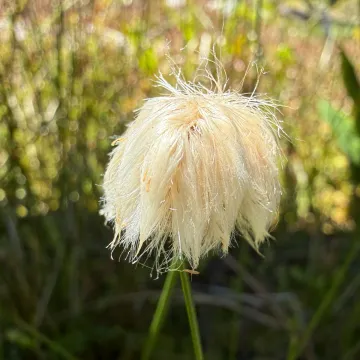
Eriophorum chamissonis, commonly known as Chamisson's cottongrass, is a perennial herbaceous plant belonging to the sedge family (Cyperaceae). This species is well-regarded for its distinctive appearance, particularly when its fluffy, white bristles appear at the tips of the stems after flowering, creating a visually striking effect in wet meadow environments.
The plant originates from the northern regions of the Northern Hemisphere, spanning across tundra ecosystems, boggy lands, and moisture-rich habitats in North America and parts of Asia. As an agricultural or horticultural subject, it is increasingly popular for ecological restoration projects and specialized ornamental landscapes involving aquatic or semi-aquatic zones.
Botanically, this species is characterized by its slender stems and narrow, grass-like leaves that form thick, mat-like rhizomatous clusters. The defining feature is the development of long, white, silky hair-like structures derived from the perianth, which aid in seed dispersal. This adaptation is highly effective in windy, open environments like marshes and wet peatlands.
Cultivation requirements for Eriophorum chamissonis focus primarily on soil moisture and pH levels. The plant thrives in acidic, peat-rich, and constantly waterlogged soils. In an agricultural setting, maintaining high humidity and water saturation is crucial for survival. It prefers full sun exposure, which encourages the development of more vigorous and abundant fluffy inflorescences during the season.
- High demand for constant soil moisture.
- Excellent cold hardiness suitable for northern climates.
- Preferred soil type: acidic, organic, and water-saturated.
- Vegetative propagation via rhizome division is recommended.
The primary use of this crop is in ornamental water gardening and as a soil stabilizer for wetland restoration efforts. Common pests and diseases are generally minimal due to the plant's natural habitat preferences; however, root rot can occur if there is stagnant water without proper oxygenation, or if the plant is subjected to severe overcrowding in small containers or poorly managed landscape sites.
Photo gallery