Description
Tawny cottongrass (Latin: Eriophorum virginicum) is a perennial herbaceous plant belonging to the Cyperaceae family. In agronomic and ecological contexts, it is recognized as a vital species for stabilizing waterlogged terrains and maintaining the structural integrity of peatland ecosystems.
The plant is native to North America, with its natural range extending across the eastern regions of Canada and the United States. It is typically found in acidic bogs, fens, and damp meadows. It thrives in environments where soil saturation prevents the growth of most conventional crops, making it a specialized species for restoration projects.
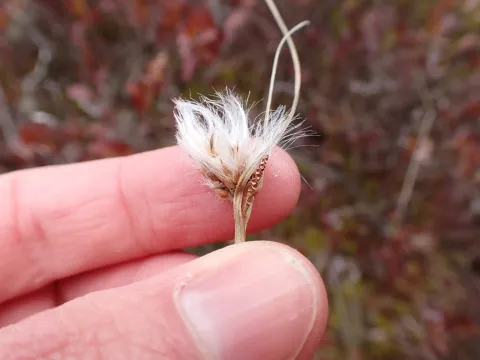
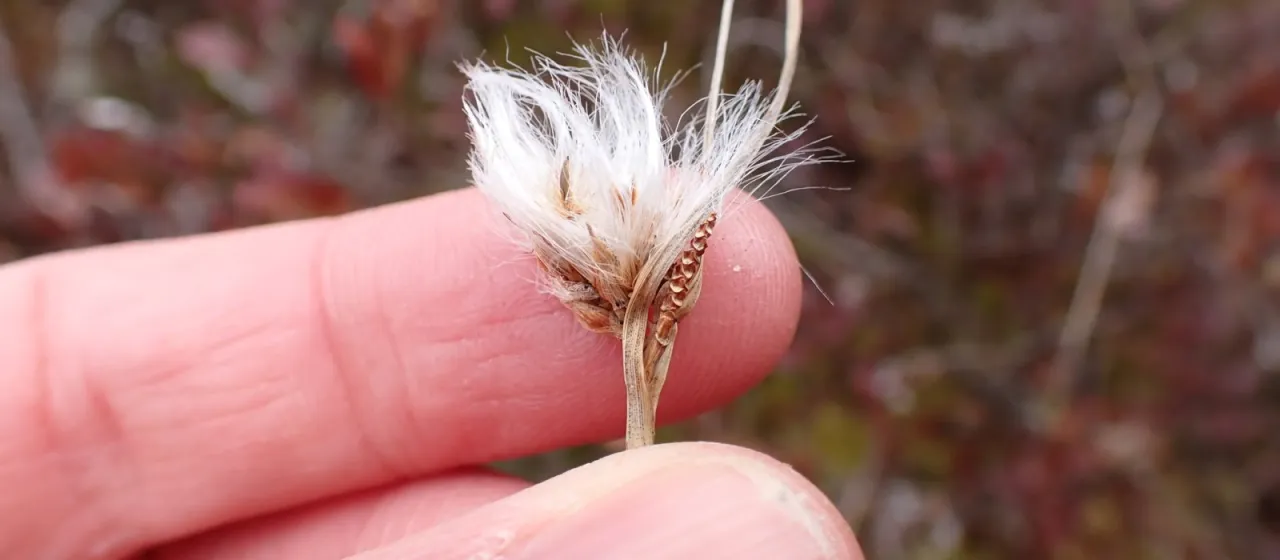
Botanically, Eriophorum virginicum is characterized by slender, grass-like leaves and distinct inflorescences. During the fruiting stage, the spikelets produce elongated, tawny-to-white bristles that resemble tufts of cotton. The plant develops via rhizomes, which allow it to form dense mats or tussocks, effectively preventing soil erosion in swampy areas.
Cultural requirements involve high-moisture, acidic soil conditions. It is essential to maintain a consistently saturated substrate, as the plant lacks drought tolerance. The species is highly photophilous and requires full sun exposure to ensure proper flowering and seed production. It is generally adapted to nutrient-poor environments, so intensive fertilization is neither required nor recommended.
The primary agricultural and environmental use of this plant is in phyto-remediation and land reclamation, specifically for restoring disturbed wetland habitats. While generally resistant to pests, the crop can be susceptible to fungal issues if the hydrological regime is unstable or if stagnant air conditions persist. Monitoring the moisture levels is the most critical factor in successful management.
- Requires highly acidic, peat-based soils.
- Thrives in full sun to partial shade conditions.
- Essential for soil erosion control in wet areas.
- Low maintenance; does not require chemical fertilizers.
Photo gallery