Description
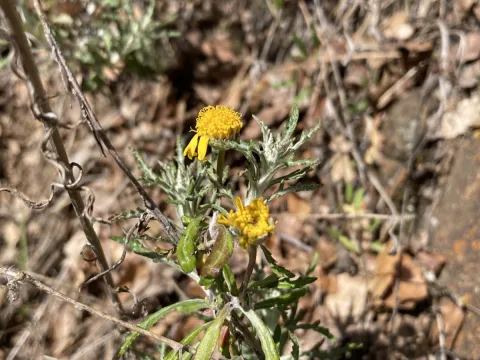
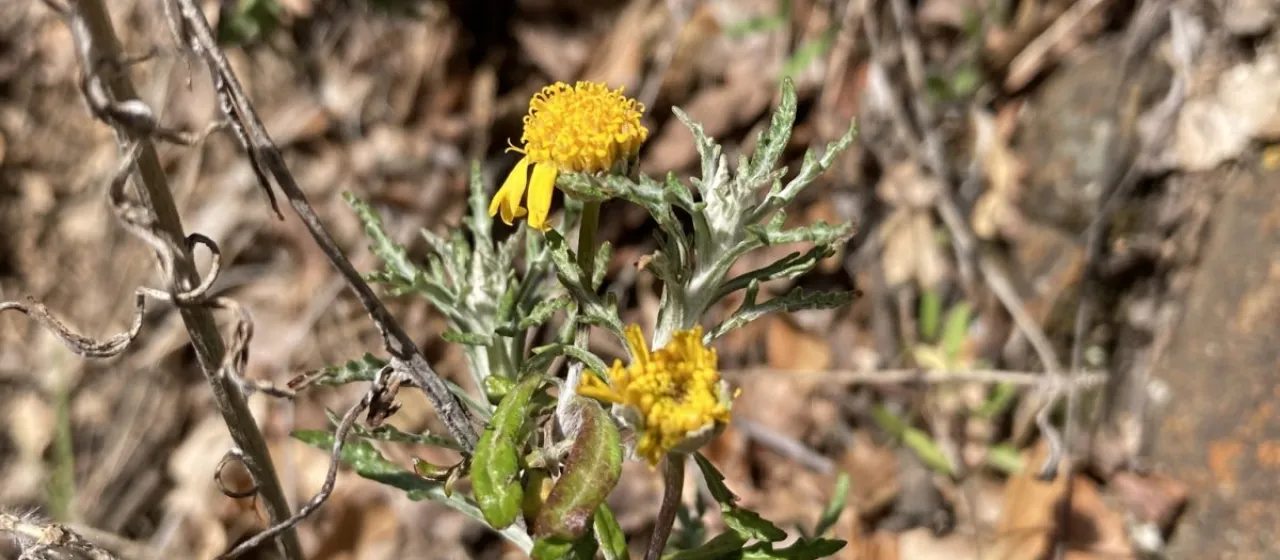
Oregon sunshine (Eriophyllum lanatum) is a herbaceous perennial belonging to the Asteraceae family. Known for its distinct woolly foliage and bright yellow, daisy-like flowers, this plant serves as a vital species in both native habitats and cultivated environments.
The native range of this species is concentrated in western North America, stretching from British Columbia to California. It typically thrives in diverse environments, including open meadows, rocky slopes, and forests, which demonstrates the species' high degree of environmental plasticity and ecological resilience.
Botanically, the plant is characterized by its tomentose (woolly) leaves, which provide a silvery-grey aesthetic. It grows in a cushion-like form, typically reaching heights of 20 to 60 centimeters. Its blooming cycle is extensive, contributing significantly to the visual appeal of gardens during late spring and summer months.
Regarding agronomic requirements, Oregon sunshine demands well-drained, nutrient-poor, or average soils. It is notably drought-tolerant and thrives in full sun exposure. The primary challenge in cultivation is ensuring proper soil drainage; heavy, clay-rich, or waterlogged soils often lead to root rot and diminished plant vigor.
The main commercial and practical use of this plant is within xeriscaping and sustainable landscape design. Its ability to grow in nutrient-deficient soils makes it ideal for rocky gardens and groundcover applications. Furthermore, it is a significant source of nectar for local bee populations, enhancing the ecological health of agricultural buffer zones.
- Excellent drought tolerance once established.
- Requires full sun to maintain compact growth.
- Susceptible to fungal pathogens if moisture levels remain too high.
Photo gallery