Description
Eriophyton rhomboideum is a perennial herbaceous plant belonging to the Lamiaceae (mint) family. This species is highly specialized, having evolved to thrive in the harsh, high-altitude ecosystems of Central Asia, specifically within the Tibetan Plateau region.
The native habitat of this plant consists of stony slopes and alpine meadows located at significant elevations. Due to these environmental constraints, the species has developed a compact, low-growth form, which helps protect it from intense wind and minimizes heat loss during the cold nights characteristic of high altitudes.
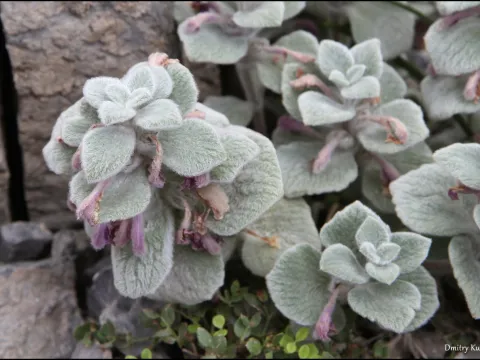
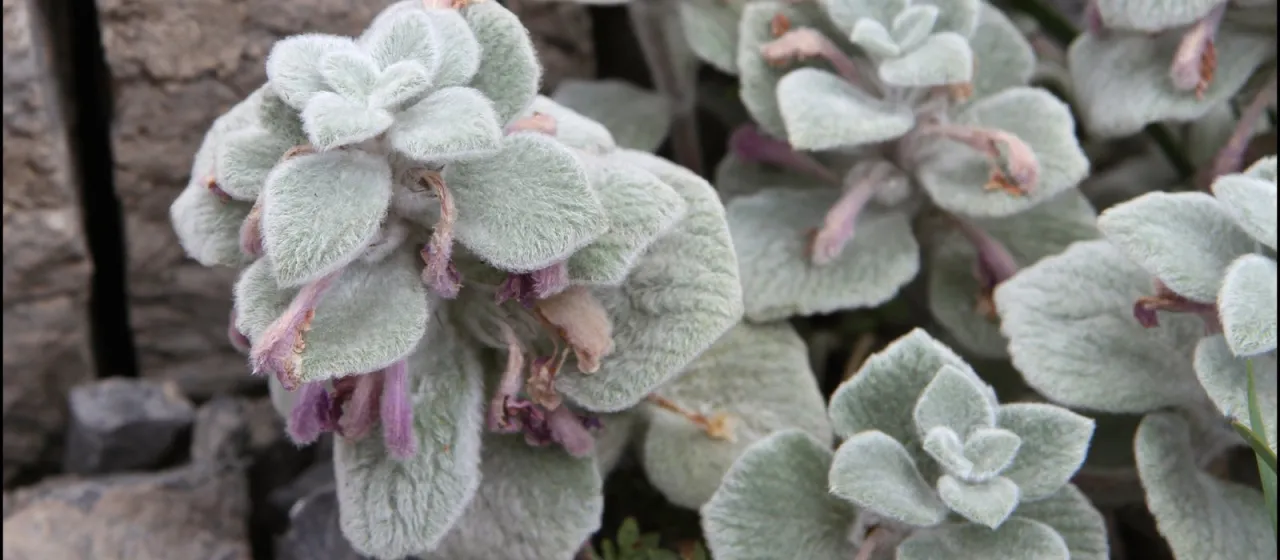
Botanical characteristics of Eriophyton rhomboideum include its distinctive rhomboid-shaped leaves and dense indumentum (hairiness). This pubescence serves as a physiological buffer, protecting the plant's epidermis from high UV radiation and preventing excessive transpiration in arid mountain environments.
Cultivation of this species requires precise environmental control, mimicking its native habitat. It prefers gritty, well-draining soils with low organic content and excellent air circulation. Growers find that the plant is highly sensitive to root moisture, making a sharp drainage system essential for its long-term survival in garden or greenhouse settings.
In terms of agricultural and pharmaceutical interest, the plant is primarily studied for its unique secondary metabolites. While it is not a large-scale agricultural commodity, its potential in traditional medicine and botanical research makes it a subject of interest for specialized alpine plant collectors and scientific institutions studying high-altitude flora.
Photo gallery