Eriosyce castanea
Eriosyce castanea
Description
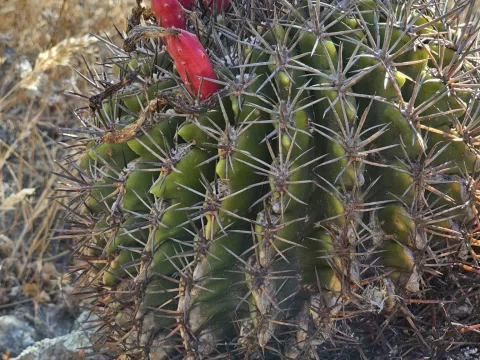
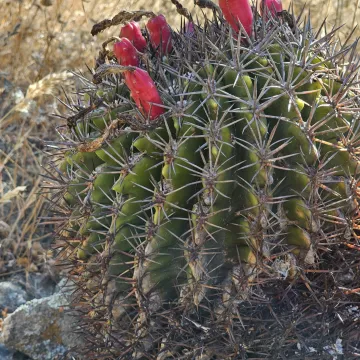
Eriosyce castanea is a distinctive species of succulent belonging to the Cactaceae family. Renowned for its unique, chestnut-colored, spherical, or depressed-globular body, this plant is a prize among cactus enthusiasts. It embodies the biological efficiency typical of desert-dwelling plants, capable of surviving long periods of drought in its native habitat.
The origin of Eriosyce castanea is strictly linked to specific regions of Chile, where it grows in arid, stony environments. These habitats are characterized by high solar irradiance and significant temperature fluctuations. Understanding this native climate is essential for any grower attempting to maintain this species, as it requires conditions that mimic its wild environment to thrive.
Botanically, this species is noted for its slow growth rate and the dense arrangement of spines that cover the epidermis. These spines play a crucial role in thermoregulation and protection against intense UV rays. When mature, the plant produces beautiful, often tubular flowers that emerge from the crown, adding a vibrant contrast to the brownish hues of the stem.
Agricultural and horticultural requirements for Eriosyce castanea center on a strict "less is more" philosophy. The growing medium must be exceptionally well-draining, consisting primarily of inorganic materials such as pumice, coarse sand, and perlite. Soil that retains moisture for extended periods is the primary cause of root rot in this species.
Effective care and maintenance protocols include:
- Providing full sun exposure to maintain the plant's compact form and robust spine development.
- Implementing a dormant period during winter, characterized by total dryness and cooler temperatures.
- Watering carefully during the active growing season, ensuring the soil dries out completely between waterings.
- Avoiding high-nitrogen fertilizers to prevent rapid, weak growth that makes the plant susceptible to pests.
- Regular inspection for common cactus pests like mealybugs or spider mites, which can hide among the spines.
Photo gallery