Description
Erlangea misera, also scientifically recognized as Gutenbergia misera, is a herbaceous plant belonging to the Asteraceae family. This species is gaining interest in botanical circles due to its unique growth habit and its role in ecosystem dynamics within its native range, providing a niche for researchers focused on tropical botanical resources.
Originating from the tropical regions of Africa, this plant has evolved to thrive in environments that experience distinct seasonal moisture shifts. Its natural distribution encompasses diverse habitats including grasslands and areas subject to environmental disturbances, where the plant displays notable adaptability and survival traits.
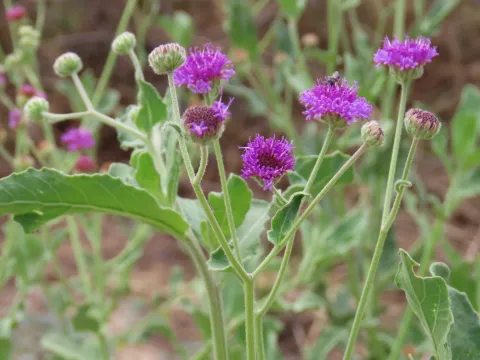
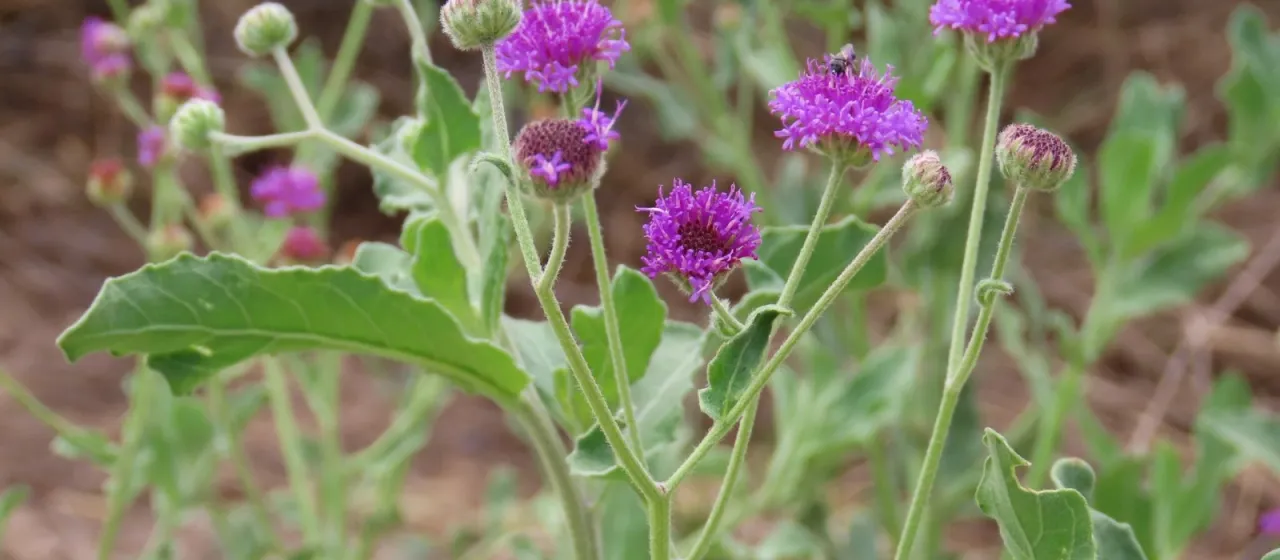
The botanical structure of Erlangea misera is characterized by upright stems and compact floral heads that aggregate into striking, violet-toned inflorescences. The foliage is typically lanceolate and possesses a slight pubescence, which serves as a physiological adaptation to mitigate water loss and protect the plant from harsh direct sunlight.
Regarding cultivation requirements, the plant necessitates well-draining soil with moderate fertility to achieve optimal vegetative development. Agricultural management must prioritize high light exposure, as insufficient light levels will negatively impact the flowering capacity and structural integrity of the plant. Proper irrigation management is vital to prevent root-related issues caused by excessive moisture.
- Requires full sun exposure for healthy growth.
- Prefers sandy or loamy soils with good drainage.
- Sensitive to waterlogging and high humidity levels.
- Requires protection from common pests like aphids.
In terms of economic and practical use, Erlangea misera is primarily utilized in ornamental horticulture and landscape design. While not considered a high-volume field crop, its value in specialized botanical collections is significant. Common phytosanitary challenges include fungal infections such as leaf spot or powdery mildew, which are managed through careful spacing and humidity control.
Photo gallery