Erodium primulaceum
Erodium primulaceum
Description
Erodium primulaceum is a perennial herbaceous plant belonging to the Geraniaceae family. Known for its resilience, this species is often studied in agronomy for its potential as a drought-tolerant forage crop, particularly in arid and semi-arid regions where soil moisture is a limiting factor for plant growth.
The plant is native to the Mediterranean basin, including parts of the Iberian Peninsula and North Africa. It naturally thrives in open, rocky habitats and dry grasslands. Its distribution in agricultural landscapes is primarily centered on managed pastures where its ability to persist under high-temperature conditions makes it a valuable botanical component.
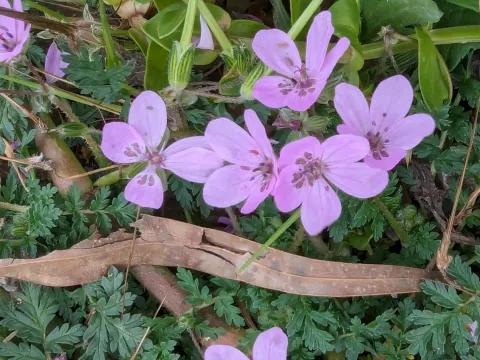
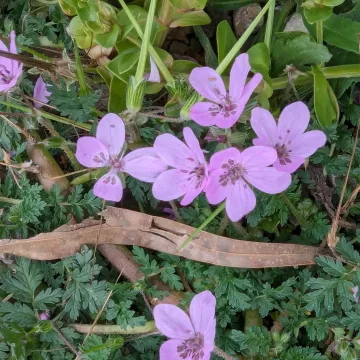
Botanically, Erodium primulaceum is identified by its rosette of leaves, which bear a striking resemblance to the genus Primula. The plant produces delicate pink-to-purple flowers on stems that can be decumbent or ascending. Its deep taproot is a critical adaptation, allowing it to maintain metabolic activity even during prolonged seasonal droughts.
Successful cultivation requires well-drained, porous soils, ideally with a neutral or slightly alkaline pH. It does not tolerate waterlogging, which makes the selection of sloping fields or sandy-loam soils essential. Management practices focus on low-impact grazing regimes to ensure the plant can replenish its root reserves after harvesting or grazing cycles.
The primary economic use involves its integration into pastoral systems as high-quality forage. While generally hardy, the plant is susceptible to common conditions such as powdery mildew in humid environments. Pest management typically involves integrated practices, as the plant serves as a host to various insect larvae that may affect leaf biomass production if left unchecked.
Photo gallery